1. Koniec produktuview
The EXVIST H.265 1080P 60fps PoE VGA Encoder is a high-performance device designed for converting VGA video signals into H.265/H.264 encoded streams. It supports various streaming protocols, including RTMP, RTSP, HLS, and UDP, making it suitable for live broadcasting, video conferencing, CCTV, and digital signage applications. With Power over Ethernet (PoE) capability and a VGA loopout, this encoder offers flexible installation and real-time monitoring.
2. Główne cechy
- High-Quality H.264/H.265 Encoding: Supports 1080P resolution at 60fps with efficient compression for clear video and minimal bandwidth usage.
- Zasilanie przez Ethernet (PoE): Powers the encoder directly through the Ethernet connection, simplifying setup and reducing cable clutter.
- VGA Loopout for Local Display: Provides a VGA output for direct connection to a local monitor, enabling real-time video monitoring.
- Multiple Protocols Supported: Compatible with RTSP, RTMP, HLS, and UDP protocols for versatile integration with various streaming platforms and systems.
- Szeroki zakres zastosowań: Ideal for IP television systems, live event broadcasts, digital signage, and CCTV monitoring across diverse environments.
3. Zawartość opakowania
- EXVIST H.265 1080P 60fps PoE VGA Encoder (Model ON-VGA-16DP)
- Instrukcja obsługi
- Power Adapter (if PoE is not used)
4. Układ urządzenia
Familiarize yourself with the ports and indicators on the encoder unit.

Rysunek 4.1: Front and Rear Panel of the EXVIST VGA Encoder. The front panel includes PWR (Power indicator), RUN (Operation indicator), Microphone input, VGA IN, and VGA OUT ports. The rear panel features a Reset button, DC12V power input, and a NETWORK port (supporting PoE).
- Wskaźnik PWR: Świeci się, gdy urządzenie jest włączone.
- Wskaźnik URUCHOMIENIA: Flashes during normal operation.
- Wejście mikrofonowe: 3.5mm audio input for external microphone.
- Wejście VGA: Connects to the VGA video source.
- WYJŚCIE VGA: VGA loopout for connecting to a local display.
- Przycisk reset: Naciśnij i przytrzymaj, aby przywrócić ustawienia fabryczne.
- 12V DC: Power input for standard power adapter (if PoE is not used).
- SIEĆ: RJ45 Ethernet port for network connection and PoE power input.
5. Instrukcje konfiguracji
5.1 połączenie fizyczne
- Connect your VGA video source (e.g., computer, camcorder) to the WEJŚCIE VGA port on the encoder using a VGA cable.
- If local monitoring is required, connect a VGA display to the Wyjście VGA port on the encoder using a VGA cable.
- Connect an Ethernet cable from your network switch (preferably a PoE-enabled switch) to the SIEĆ port on the encoder. If using a non-PoE switch, connect the provided DC12V power adapter to the Prąd stały 12 V port.
- Optionally, connect an external microphone to the Wejście mikrofonowe port.
- Sprawdź, czy PWR indicator is illuminated and the URUCHOMIĆ indicator is flashing, indicating the device is powered on and operating.
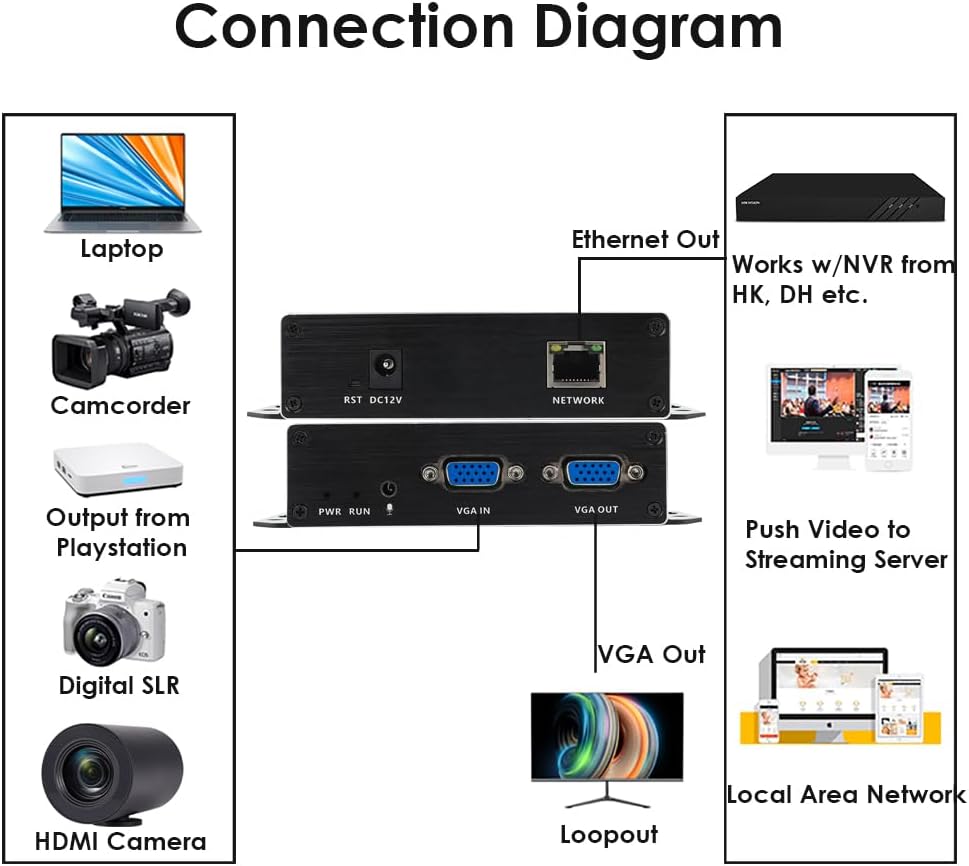
Rysunek 5.1: Typical Connection Diagram for the EXVIST VGA Encoder.
5.2 Network Configuration and Web Dostęp do interfejsu
The encoder typically has a default IP address (e.g., 192.168.1.168). To access the web interfejs:
- Ensure your computer is on the same network segment as the encoder. You may need to temporarily set your computer's IP address to be in the same subnet (e.g., 192.168.1.x).
- Otwórz web browser (e.g., Chrome, Firefox) and enter the encoder's default IP address (e.g., http://192.168.1.168) na pasku adresu.
- Log in using the default username and password (refer to the device label or included documentation for default credentials, commonly admin/admin or admin/123456).
- Once logged in, you can configure network settings (e.g., static IP, DHCP) to integrate the encoder into your existing network infrastructure.
6. Instrukcja obsługi
6.1 Video and Audio Settings
W ramach web interface, navigate to the Video/Audio settings to configure input and output parameters.

Rysunek 6.1: Audio Settings in the Web Interfejs.
- Wejście audio: Select the desired audio source (e.g., VGA embedded audio, external microphone).
- Samples: Dostosuj dźwiękampstawka lingwistyczna.
- Codec type: Choose the audio encoding format (e.g., AAC).
- Szybkość transmisji: Set the audio bitrate for quality and bandwidth control.
- Kanał: Select audio channels (e.g., Stereo, Mono).
- Objętość wyjściowa: Adjust the output audio level.
- Pamiętaj, aby kliknąć Ratować after making changes.
6.2 Streaming Configuration (RTMP, RTSP, HLS, UDP)
The encoder supports various streaming protocols. Configure them under the 'Push' or 'Network' sections of the web interfejs.

Rysunek 6.2: RTMP Streaming Settings in the Web Interfejs.
- RTMP: For live streaming to platforms like YouTube, Facebook Live, Twitch. Enter the Stream Server URL and Stream Key in the 'Video push' field (e.g.,
rtmp://a.rtmp.youtube.com/live2/streamkey). Enable the stream and select the push mode. - RTSP: For surveillance systems or media servers. Configure the RTSP URL and stream mode (Complex, Video, Audio).
- HLS/UDP: Configure as per your specific application requirements.
- Always click Ratować after modifying streaming settings.

Rysunek 6.3: Supported Protocols by the EXVIST VGA Encoder.
7. Konserwacja
- Czyszczenie: Do czyszczenia urządzenia używaj miękkiej, suchej ściereczki. Unikaj płynnych środków czyszczących i rozpuszczalników.
- Wentylacja: Ensure the encoder is placed in a well-ventilated area to prevent overheating. Do not block ventilation openings.
- Aktualizacje oprogramowania układowego: Periodically check the EXVIST official webwitryna z aktualizacjami oprogramowania sprzętowego zapewniająca optymalną wydajność i dostęp do nowych funkcji.
- Zarządzanie kablami: Upewnij się, że wszystkie kable są solidnie podłączone i nie są naprężone.
8. Rozwiązywanie Problemów
- Brak zasilania: Check power connections. If using PoE, ensure the network switch port provides power. If using a power adapter, ensure it is correctly connected and the outlet is functional.
- No Video Output (Loopout): Verify VGA cable connections. Ensure the video source is active and outputting a signal.
- Brak połączenia sieciowego: Check Ethernet cable. Verify network settings (IP address, subnet mask, gateway) in the encoder's web interface. Ensure your computer is on the same subnet for initial access.
- Problemy ze strumieniowaniem: Double-check streaming protocol settings (RTMP URL, RTSP URL, etc.). Ensure internet connectivity and sufficient bandwidth. Verify firewall settings on your network.
- Forgot Password/Settings: Użyj NASTAWIĆ button on the rear panel to restore factory default settings. Note that this will erase all custom configurations.
9. Specyfikacje
| Funkcja | Specyfikacja |
|---|---|
| Numer modelu | ON-VGA-16DP |
| Wejście wideo | 1x VGA |
| Wyjście wideo | 1x VGA Loopout |
| Kodowanie wideo | H.265 / H.264 |
| Rezolucja | Up to 1080P @ 60fps |
| Wejście audio | 3.5mm Microphone, VGA Embedded Audio |
| Protokoły strumieniowe | RTMP, RTSP, HLS, UDP, HTTP, Multicast, TS/SRT, ONVIF |
| Interfejs sieciowy | 1x RJ45 Ethernet (PoE supported) |
| Zasilacz | DC 12V or Power over Ethernet (PoE) |
| Wymiary produktu | 4.33 x 2.95 x 0.98 cala (110 x 75 x 25 mm) |
| Waga przedmiotu | 6.1 uncji (173 grama) |
| Temperatura pracy | 0°C do 50°C (32°F do 122°F) |
10. Informacje o gwarancji
This EXVIST product comes with a Limited Warranty. Please refer to the warranty card included with your product or visit the official EXVIST webSzczegółowe warunki gwarancji i jej okres obowiązywania można znaleźć na stronie internetowej.
11. Obsługa klienta
For technical assistance, troubleshooting, or product inquiries, please contact EXVIST customer support through their official website or the contact information provided in your product packaging. When contacting support, please have your product model number (ON-VGA-16DP) and purchase details ready.


