1. Wprowadzenie
This user manual provides comprehensive instructions for the installation, operation, and maintenance of your HDWR videoCAR-L300 Dash Cam. Please read this manual thoroughly before using the device to ensure proper functionality and to maximize its lifespan. Keep this manual for future reference.
2. Koniec produktuview
The HDWR videoCAR-L300 is a versatile dash camera designed to enhance your driving safety and record your journeys. It functions as both a front and rear recording device, integrated into a rearview mirror with a touchscreen display.
Główne cechy:
- Nagrywanie wideo w rozdzielczości Full HD: The front camera records in Full HD (1920x1080) resolution, providing clear and detailed video footage.
- Funkcjonalność tylnej kamery: The rear camera offers VGA (640x480) recording resolution and can also serve as a reverse camera for parking assistance.
- Integrated 4.7-inch Touchscreen Display: The wide mirror, approximately 30 cm, features a built-in 4.7-inch touchscreen for easy operation and increased rear visibility.
- Obiektyw szerokokątny 120 stopni: The front camera's lens offers a 120-degree viewing angle, capturing a broad area in front of your vehicle.
- Działanie automatyczne: Features include automatic camera start and stop, motion detection, and adjustable sensitivity.
- G-Sensor for Impact Detection: Automatically protects recordings from being overwritten in the event of sudden braking or a collision.
- Obsługa kart MicroSD: Supports microSD memory cards up to 32GB for storing recorded video and audio files.

Rycina 2.1: Przód view of the HDWR videoCAR-L300 Dash Cam, showing the mirror display with a car image.
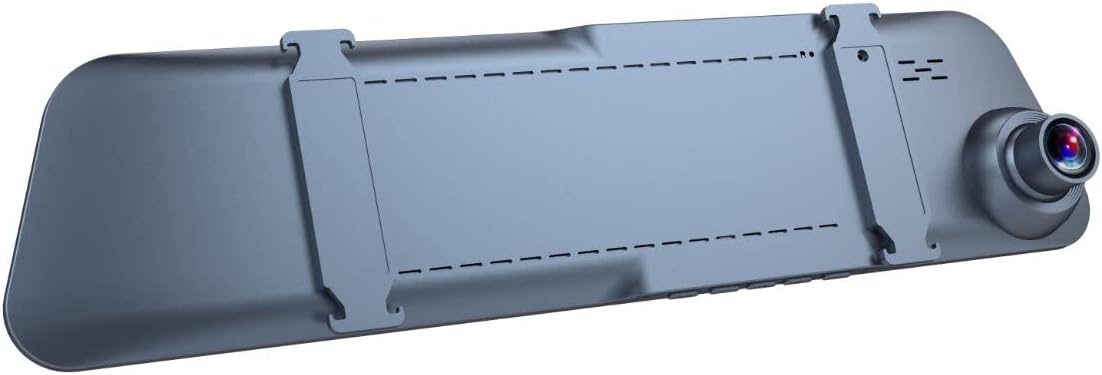
Rysunek 2.2: Tył view of the HDWR videoCAR-L300 Dash Cam, highlighting the mounting clips for installation.
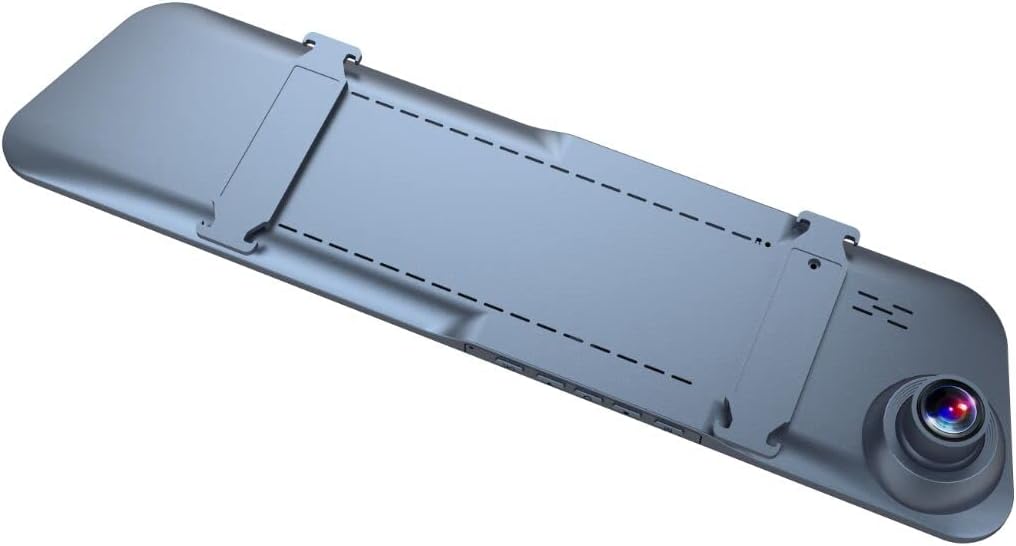
Rysunek 2.3: Tył kątowy view of the HDWR videoCAR-L300 Dash Cam, showing the camera lens and mounting clips.

Rysunek 2.4: Eksplodowany view illustrating the various perspectives of the HDWR videoCAR-L300 Dash Cam.
3. Konfiguracja i instalacja
3.1 Zawartość pudełka
Przed rozpoczęciem instalacji należy upewnić się, że wszystkie komponenty są obecne:
- HDWR videoCAR-L300 Dash Cam Unit
- Kabel ładujący
- Narzędzie instalacyjne
- Instrukcja obsługi (ten dokument)
3.2 Installation Steps (Windshield Mount)
The videoCAR-L300 is designed for windshield mounting, typically over your existing rearview lustro.
- Przygotuj urządzenie: Gently unbox the dash cam and ensure the protective film is removed from the screen and lens.
- Montowanie: Securely attach the dash cam to your vehicle's rearview mirror using the integrated clips. Ensure it is firmly in place and does not obstruct your view.
- Podłącz zasilanie: Use the provided charging cable to connect the dash cam to your vehicle's 12V power outlet (cigarette lighter socket). Route the cable neatly to avoid interference with driving.
- Zainstaluj tylną kamerę (opcjonalnie): If using the rear camera, connect it to the main unit and route its cable to the rear of the vehicle. Mount the rear camera in a suitable location, typically near the license plate or inside the rear window, ensuring a clear view.
- Włóż kartę MicroSD: Insert a compatible microSD card (up to 32GB, not included) into the designated slot on the dash cam. Ensure it is inserted correctly until it clicks into place.
- Pierwsze włączenie: Start your vehicle. The dash cam should automatically power on. If not, press the power button.
- Dostosuj kąt: Adjust the angle of the front camera lens to ensure it captures the road ahead clearly. Use the live view on the touchscreen display for precise alignment.

Figure 3.1: The dash cam installed on the vehicle's rearview mirror, showing its integration into the car's interior.
4. Instrukcja obsługi
4.1 Włączanie/wyłączanie zasilania
- Działanie automatyczne: The device is designed to automatically power on and begin recording when your vehicle's ignition is turned on, and power is supplied. It will automatically power off when the ignition is turned off.
- Obsługa ręczna: Aby ręcznie włączyć lub wyłączyć urządzenie, naciśnij i przytrzymaj przycisk zasilania znajdujący się na urządzeniu.
4.2 Nawigacja za pomocą ekranu dotykowego
The 4.7-inch touchscreen display allows for intuitive navigation through menus and settings.
- Główny interfejs: Wyświetla na żywo view z kamer przednich i/lub tylnych.
- Dostęp do menu: Tap the screen to reveal menu icons. Swipe left/right or up/down to navigate through options.
- Wybieranie opcji: Kliknij ikonę lub opcję, aby ją wybrać.

Figure 4.1: The dash cam's screen showing a live road view, indicating active recording.
4.3 Tryby nagrywania
- Nagrywanie w pętli: Kamera samochodowa nagrywa wideo w sposób ciągły w segmentach (np. 1, 3 lub 5 minut). Gdy karta pamięci jest pełna, najstarszy odblokowany film jest zapisywany. filesą automatycznie nadpisywane.
- Czujnik G (nagrywanie awaryjne): In the event of sudden braking or a collision, the built-in G-Sensor detects the impact and automatically locks the current video segment, preventing it from being overwritten by loop recording.
- Detekcja ruchu: When enabled, the camera will automatically start recording if it detects movement in front of the vehicle while parked. This feature requires continuous power supply.
4.4 Odtwarzanie
Aby ponownieview nagrano footage:
- From the main screen, tap to access the menu.
- Select the "Playback" or "Gallery" option.
- Browse through the recorded video and audio files. Zablokowany files (from G-Sensor events) will typically be in a separate folder.
- Kliknij file to play it back on the screen.
4.5 Regulacja ustawień
Aby dostosować różne parametry, uzyskaj dostęp do menu ustawień:
- Rozdzielczość wideo: Adjust recording quality (e.g., Full HD, VGA).
- Czas trwania nagrywania w pętli: Set the length of video segments.
- Czułość czujnika G: Adjust the sensitivity of the impact detection.
- Detekcja ruchu: Włącz lub wyłącz tę funkcję.
- Data/Godzina Śwamp: Ensure the correct date and time are set for accurate recording timestamps.
- Nagrywanie dźwięku: Włącz lub wyłącz nagrywanie mikrofonu.
- Wygaszacz ekranu: Set the display to turn off after a period of inactivity to avoid distraction while driving.
5. Konserwacja
Regularna konserwacja zapewnia optymalną wydajność i długowieczność kamery samochodowej.
- Czyszczenie obiektywu: Delikatnie przetrzyj obiektyw aparatu miękką, niepozostawiającą włókien ściereczką. Unikaj materiałów ściernych i silnych środków chemicznych, które mogłyby zarysować obiektyw.
- Czyszczenie ekranu: Wipe the touchscreen display with a soft, dry cloth. For stubborn smudges, slightly dampi szmatkę z wodą.
- Konserwacja karty MicroSD: Format the microSD card regularly (e.g., once a month) within the camera's settings to prevent data corruption and ensure smooth recording. Back up any important footage przed formatowaniem.
- Temperatura: Avoid exposing the device to extreme temperatures (very hot or very cold) for extended periods, as this can affect battery life and component performance.
- Bezpieczne mocowanie: Periodically check that the dash cam is securely mounted to prevent vibrations from affecting video quality or causing the device to fall.
6. Rozwiązywanie Problemów
If you encounter issues with your HDWR videoCAR-L300, refer to the following common problems and solutions:
| Problem | Możliwa przyczyna | Rozwiązanie |
|---|---|---|
| Urządzenie nie włącza się. | No power supply; loose cable connection; faulty power adapter. | Check the charging cable connection to the device and the vehicle's power outlet. Ensure the vehicle's ignition is on. Try a different power outlet or cable if available. |
| Nagrywanie zostaje zatrzymane lub zawieszone. | Full or corrupted microSD card; slow microSD card; G-Sensor triggered too often. | Format the microSD card (back up data first). Use a high-speed (Class 10 or U1/U3) microSD card. Adjust G-Sensor sensitivity in settings. |
| Wideotage jest niewyraźne lub niejasne. | Dirty lens; protective film still on lens; improper camera angle. | Clean the camera lens with a soft cloth. Remove any protective film. Adjust the camera angle to ensure a clear view drogi. |
| Ekran nie reaguje. | Tymczasowy błąd oprogramowania. | Perform a soft reset by pressing and holding the power button until the device restarts. If unresponsive, disconnect power and reconnect. |
| Tylna kamera nie działa. | Loose connection; faulty cable or camera. | Sprawdź połączenie kabla kamery tylnej z jednostką główną. Upewnij się, że kabel nie jest uszkodzony. |
If the problem persists after trying these solutions, please contact HDWR customer support for further assistance.
7. Specyfikacje
| Funkcja | Szczegół |
|---|---|
| Marka | HDWR |
| Nazwa modelu | videoCAR |
| Numer modelu przedmiotu | L300 |
| Wymiary produktu | 3.5D x 29.7W x 7H cm; 180 grams |
| Rozmiar ekranu | 4.7 cali |
| Rozdzielczość wideo (przód) | Pełna rozdzielczość HD (1920x1080p) |
| Rozdzielczość wideo (tył) | VGA (640x480) |
| Viewing kąt | 120 stopni |
| Typ pamięci flash | microSD (do 32 GB) |
| Technologia łączności | AUX |
| Cechy specjalne | Motion Sensor, G-Sensor |
| Metoda kontroli | Dotykać |
| Typ montażu | Mocowanie do przedniej szyby |
| Baterie w zestawie | NIE |
| Kompatybilne urządzenia | Smartfon |
8. Gwarancja i wsparcie
For warranty information and technical support, please refer to the official HDWR weblub skontaktuj się bezpośrednio z działem obsługi klienta. Szczegóły dotyczące okresów gwarancyjnych i procedur serwisowych są zazwyczaj zawarte w dokumentacji zakupu lub na stronie producenta. webstrona.
Aby uzyskać dalszą pomoc, odwiedź stronę: www.hdwr.eu


