1. Koniec produktuview
The Dorman M630924 Brake Master Cylinder is engineered to precisely match the design, function, and performance of the original master cylinder in specific vehicle years, makes, and models. It is manufactured using new, high-quality materials to ensure a safe and durable replacement component for your vehicle's braking system.
This part is compatible with the following vehicles:
- Nissan Murano: 2015, 2016, 2017, 2018, 2019, 2020
Przed zakupemasing or installing, it is recommended to verify fitment for your exact vehicle by consulting the manufacturer's fitment guide or a qualified automotive professional.
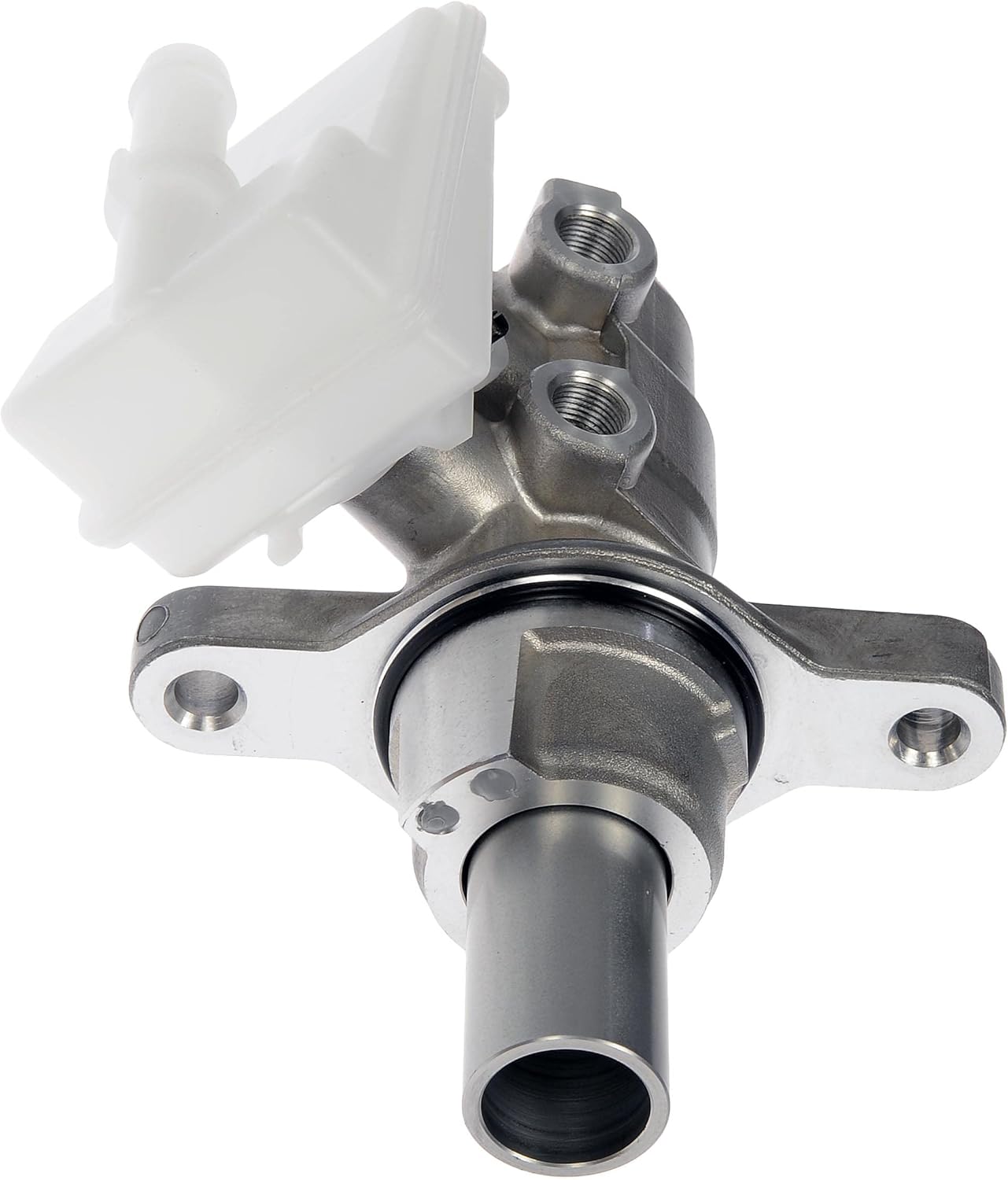
Image 1.1: The Dorman M630924 Brake Master Cylinder, showing the main body and fluid reservoir.
Główne cechy
- Precise Replacement: Cylinder housing is constructed to match the casting material of the original part, ensuring similar performance characteristics.
- Trwała konstrukcja: All rubber components are manufactured from high-quality EPDM compound, providing resistance to glycol-based brake fluid.
- 100% New Construction: Made entirely of new materials, not remanufactured, to ensure the highest quality and safety standards.
- Strict Specifications: Manufactured to meet rigorous SAE International standards for automotive components.
2. Specyfikacje
| Specyfikacja | Szczegół |
|---|---|
| Producent | Produkty Dorman |
| Marka | Uśpiony |
| Waga przedmiotu | 1.72 funta |
| Wymiary produktu | 12.4 x 1 x 6.5 cala |
| Numer modelu przedmiotu | M630924 |
| Numer części producenta | M630924 |
| Numery części OEM | 130; 130.42829; MC391481; 46010-5AA0A |
| ASIN | B078SXF3LL |
| Data pierwszej dostępności | 5 stycznia 2018 r. |
3. Wytyczne dotyczące instalacji
Installation of a brake master cylinder is a critical procedure that directly impacts vehicle safety. It is strongly recommended that this component be installed by a certified automotive technician or a professional with extensive experience in brake system repair.
General Installation Steps (Professional Installation Recommended)
- Bezpieczeństwo przede wszystkim: Ensure the vehicle is securely supported on jack stands or a lift. Wear appropriate personal protective equipment (PPE), including safety glasses and gloves.
- Przygotowanie: Disconnect the battery. Place a drain pan under the master cylinder to catch any spilled brake fluid.
- Fluid Removal: Use a syringe or turkey baster to remove as much brake fluid as possible from the master cylinder reservoir.
- Disconnect Lines: Carefully disconnect the brake lines from the master cylinder. Be prepared for residual fluid leakage. Cap the lines to prevent contamination and excessive fluid loss.
- Usuń starą jednostkę: Unbolt the master cylinder from the brake booster. Remove the old master cylinder.
- Bench Bleeding (Crucial Step): Before installing the new master cylinder, it is essential to bench bleed it. This involves filling the reservoir with new brake fluid and using a special kit or method to remove air from the master cylinder itself. Follow the specific instructions provided with the bench bleeding kit or the master cylinder.
- Zainstaluj nową jednostkę: Mount the new, bench-bled master cylinder onto the brake booster. Ensure proper alignment and tighten mounting nuts to manufacturer specifications.
- Ponowne podłączenie linii: Reconnect the brake lines to the new master cylinder. Tighten fittings securely, but do not overtighten.
- Krwawienie z układu: Perform a full brake system bleed to remove all air from the brake lines. This typically requires two people or a pressure bleeder. Start with the wheel furthest from the master cylinder and work your way closer.
- Kontrola poziomu płynu: Fill the reservoir to the MAX line with new, recommended brake fluid.
- Test: With the engine off, pump the brake pedal several times to ensure a firm pedal. Start the engine and re-check pedal feel. Test brakes at low speed in a safe area before normal operation.

Obraz 3.1: Bok view of the Dorman M630924 Brake Master Cylinder, highlighting the brake line ports.
4. Działanie
The brake master cylinder is a crucial component of a vehicle's hydraulic braking system. Its primary function is to convert the mechanical force from the brake pedal into hydraulic pressure, which is then transmitted through the brake lines to the wheel cylinders or calipers.
When the brake pedal is pressed, pistons within the master cylinder move, forcing brake fluid through the system. This hydraulic pressure causes the brake pads or shoes to engage the rotors or drums, slowing or stopping the vehicle. The Dorman M630924 is designed to provide consistent and reliable hydraulic pressure for effective braking.
5. Konserwacja
Proper maintenance of your vehicle's braking system, including the master cylinder, is essential for safety and longevity. Regular inspections can help identify potential issues before they become critical.
Zalecane kontrole konserwacyjne:
- Poziom płynu hamulcowego: Regularly check the brake fluid level in the master cylinder reservoir. It should be between the MIN and MAX lines. A consistently low fluid level may indicate a leak in the system.
- Stan płynu hamulcowego: Inspect the color of the brake fluid. It should be clear or light amber. Dark or cloudy fluid may indicate contamination and requires flushing and replacement. Refer to your vehicle's owner's manual for recommended brake fluid type and replacement intervals.
- Kontrola nieszczelności: Periodically inspect the master cylinder and surrounding areas for any signs of brake fluid leaks. Look for wet spots or drips on the master cylinder body, brake lines, and the firewall.
- Pedal Feel: Pay attention to the feel of your brake pedal. A spongy, soft, or low pedal could indicate air in the system or a failing master cylinder.

Obraz 5.1: Inny view of the Dorman M630924 Brake Master Cylinder, showing the mounting points.
6. Rozwiązywanie typowych problemów
If you experience issues with your vehicle's braking system, the master cylinder could be a contributing factor. Always consult a qualified technician for diagnosis and repair.
Symptoms of a Potentially Failing Master Cylinder:
- Spongy or Soft Brake Pedal: The pedal feels soft or goes to the floor easily, often indicating air in the system or internal master cylinder seal failure.
- Brake Pedal Slowly Sinks: If the brake pedal slowly sinks to the floor while holding steady pressure, it suggests internal fluid bypass within the master cylinder.
- External Fluid Leaks: Visible brake fluid leaking from the master cylinder body or around its mounting points.
- Zanieczyszczony płyn hamulcowy: Dark, murky, or metallic-looking brake fluid can indicate internal wear of the master cylinder.
- Kontrolka ostrzegawcza hamulca: The brake warning light on your dashboard may illuminate due to low fluid level or pressure issues.
If any of these symptoms are observed, it is crucial to have your vehicle inspected by a professional immediately.
7. Ważne informacje dotyczące bezpieczeństwa
- Brake fluid is corrosive. Avoid contact with skin, eyes, and painted surfaces. If contact occurs, wash immediately with plenty of water.
- Always use new, clean brake fluid of the type specified in your vehicle's owner's manual. Do not mix different types of brake fluid.
- Never reuse old brake fluid.
- Ensure all brake lines and fittings are clean and free of debris before connection.
- Properly dispose of old brake fluid according to local regulations.
- If you are unsure about any step of the installation or maintenance process, seek assistance from a qualified automotive professional.
8. Wsparcie i gwarancja
For technical support, product inquiries, or warranty information regarding your Dorman M630924 Brake Master Cylinder, please contact Dorman Products directly through their official webwitrynę lub kanały obsługi klienta.
Warranty details are typically provided with the product packaging or can be obtained from the point of purchase. It is recommended to retain your purchase receipt for warranty claims.
You can visit the Dorman webstrona, aby uzyskać więcej informacji: www.dormanproducts.com


