1. Wprowadzenie
Thank you for choosing the Donner Wireless DMX512 System. This system provides a reliable and efficient wireless solution for DMX512 stage lighting control, eliminating the need for extensive DMX cabling. It is designed for professional stage, DJ, disco, party, and bar lighting applications. This manual will guide you through the setup, operation, and maintenance of your wireless DMX system.
The system includes one DMX512 wireless transmitter and seven DMX512 wireless receivers, operating on a 2.4G frequency band with automatic frequency hopping for stable signal transmission.
2. Informacje dotyczące bezpieczeństwa
- Ensure the power adapters used are compatible with the device's voltagi wymagania.
- Do not expose the devices to rain, moisture, or extreme temperatures.
- Avoid placing the devices near strong electromagnetic fields, which may interfere with wireless signal transmission.
- Nie należy podejmować prób demontażu ani modyfikacji urządzeń. Wszelkie prace serwisowe należy zlecić wykwalifikowanemu personelowi.
- Keep the devices away from children.
- Only use the system with DMX512 compatible lighting equipment.
3. Zawartość opakowania
Sprawdź przesyłkę, aby upewnić się, że wszystkie przedmioty znajdują się w niej i są w dobrym stanie:
- 1 x Donner DMX512 Wireless Transmitter
- 7 x Donner DMX512 Wireless Receivers
- 8 x Power Adapters (Note: Devices require external power and do not have built-in batteries.)
4. Koniec produktuview
The Donner Wireless DMX512 System consists of a transmitter and multiple receivers, designed for seamless wireless DMX signal transmission.

Obraz 4.1: Koniecview of the Donner Wireless DMX512 System components.
4.1. Identyfikacja komponentów
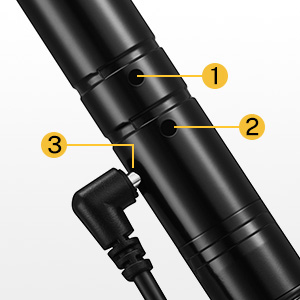
Rysunek 4.2: Szczegółowy view of a single DMX unit.
- Antena: Do bezprzewodowego przesyłania i odbioru sygnałów.
- Złącze DMX: 3-pin XLR connector for DMX input (transmitter) or output (receiver).
- Pobór mocy: DC 5V power jack for connecting the power adapter.
- ID Code Button/Indicator: Used to set the ID code and displays the current ID code via LED color.
4.2. Główne cechy
- Protokół bezprzewodowy DMX512: Transmits standard DMX512 data wirelessly.
- 2.4G ISM Frequency Band: Operates in the 2.4GHz band, license-free worldwide.
- 126 Channels Automatic Frequency Hopping: Enhances anti-jamming capability and ensures reliable data transmission.
- 7 Group ID Codes: Allows multiple independent wireless networks in the same area without interference.
- Effective Communication Distance: Up to 500 meters (visible distance).
- No Time Delay: Ensures real-time DMX signal transmission.
5. Konfiguracja
5.1. Podłączenie zasilania
Connect the provided power adapters to each transmitter and receiver unit. Plug the adapters into a standard AC power outlet. The units will power on automatically.
5.2. Setting ID Codes and Pairing
The wireless DMX system uses ID codes to establish independent wireless networks. For successful communication, the transmitter and all intended receivers must be set to the same ID code.
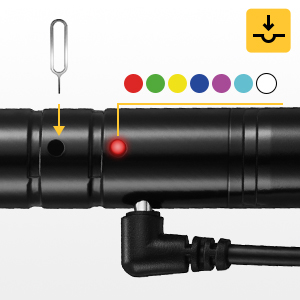
Image 5.1: ID Code Button and LED Indicator.
- Włączanie: Ensure all transmitter and receiver units are powered on.
- Select ID Code: Press the ID code button (often recessed, may require a small tool like a SIM ejector pin) on the transmitter. Each press will cycle through the 7 available ID codes, indicated by a different LED color.
- Match Receivers: For each receiver you wish to pair with this transmitter, press its ID code button until its LED color matches the transmitter's LED color.
- Potwierdzenie: Once the ID codes match, the LED indicators on both the transmitter and receivers will flash rapidly, then settle into a slower, synchronized flash, indicating a successful connection.
ID Code Color Chart:
- 1: CZERWONY
- 2: ZIELONY
- 3: ŻÓŁTY
- 4: NIEBIESKI
- 5: FIOLETOWY
- 6: CYJAN
- 7: BIAŁY
5.3. Schemat połączeń
The following diagrams illustrate typical connection scenarios for the wireless DMX system.

Image 5.2: Easy Connection - DMX console to transmitter, then wireless to receivers and lights.

Image 5.3: Advanced Connection - Utilizing multiple transmitters and receivers for complex setups.
- Connect the DMX output of your lighting console to the 3-pin XLR input of the wireless transmitter.
- Connect the 3-pin XLR output of each wireless receiver to the DMX input of your stage oprawy oświetleniowe.
- For multiple lights in a chain, connect the DMX output of the first light to the DMX input of the next, and so on.
6. Instrukcja obsługi
6.1. Podstawowa obsługa
Once the transmitter and receivers are powered on and successfully paired with the same ID code:
- Ensure your DMX lighting console is sending DMX signals to the transmitter.
- The transmitter will convert the wired DMX signal into a wireless signal.
- The receivers will pick up the wireless signal and convert it back into a wired DMX signal for your lighting fixtures.
- Control your lights as usual from your DMX console. The wireless system acts as a transparent bridge for DMX data.
6.2. Multiple Wireless Networks
The 7 group ID codes allow you to create multiple independent wireless DMX networks in the same location without interference. This is useful for controlling different sets of lights or for complex stage konfiguracje.
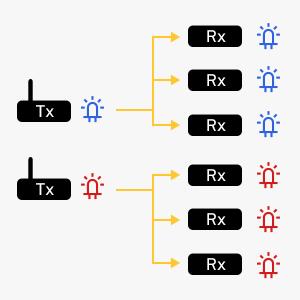
Image 6.1: Two independent wireless DMX networks (e.g., Blue ID and Red ID).
- To create a second network, use a separate transmitter and set it to a different ID code (e.g., GREEN).
- Pair the desired receivers with this second transmitter by setting them to the same GREEN ID code.
- Each network will operate independently, allowing for flexible control over various lighting zones.
7. Rozwiązywanie Problemów
- No Signal / Lights Not Responding:
- Ensure all units are powered on and their power adapters are securely connected.
- Verify that the transmitter and all receivers are set to the exact same ID code (matching LED color).
- Check DMX cable connections between the console and transmitter, and between receivers and lights.
- Confirm the DMX console is outputting a signal.
- Zmniejsz odległość między nadajnikiem i odbiornikami lub usuń wszelkie przeszkody.
- Intermittent Signal / Lag:
- Try changing the ID code to a different color to avoid potential interference from other 2.4G devices.
- Ensure the transmitter is receiving a strong, stable DMX signal from the console. A weak input signal can affect wireless performance.
- Check for physical obstructions or sources of electromagnetic interference.
- Ensure the units are within the effective communication range (up to 500m visible distance).
- Wskaźnik LED nie świeci się:
- Check the power adapter and power outlet.
- Ensure the power cable is fully inserted into the unit's power input.
8. Specyfikacje
| Funkcja | Specyfikacja |
|---|---|
| Numer modelu | US-EC803+EC804*7-DR-1 |
| Częstotliwość pracy | 2.4G ISM band (2.400-2.525GHz) |
| Metoda modulacji | GFSK |
| Kanały DMX | 512 |
| Kody identyfikacyjne | 7 groups (color-coded) |
| Odległość komunikacyjna | Do 500 metrów (widoczna odległość) |
| Wrażliwość | -94dBm |
| Maksymalna moc nadawania | 20dBm |
| Złącze DMX | 3-pin XLR male (transmitter), 3-pin XLR female (receiver) |
| Zasilacz | DC 5V (za pomocą dołączonego zasilacza) |
| Tworzywo | Metal |
| Wymiary (w przybliżeniu) | 4.7 inches (11.9 cm) length, 3.5 inches (8.9 cm) antenna height |
| Waga przedmiotu (w przybliżeniu) | 2.48 funta (całe opakowanie) |

Image 8.1: Approximate dimensions of a single DMX unit.
9. Konserwacja
- Czyszczenie: Do czyszczenia zewnętrznych powierzchni urządzeń należy używać miękkiej, suchej ściereczki. Nie należy używać środków czyszczących o właściwościach ściernych ani rozpuszczalników.
- Składowanie: Przechowuj urządzenia w chłodnym, suchym miejscu, z dala od bezpośredniego światła słonecznego i ekstremalnych temperatur, gdy nie są używane.
- Pielęgnacja kabli: Regularly inspect power adapters and DMX cables for any signs of damage. Replace damaged cables immediately.
- Antena: Ensure the antennas are securely attached and not bent or damaged.
10. Gwarancja i wsparcie
Donner products are designed for reliability and performance. For warranty information, technical support, or service inquiries, please refer to the official Donner webOdwiedź witrynę lub skontaktuj się z autoryzowanym dealerem. Zachowaj dowód zakupu na wypadek roszczeń gwarancyjnych.


