1. Wprowadzenie
This manual provides essential information for the safe and proper use of the Littelfuse FLM3-2/10 FLM3.20 Cartridge Fuse. This fuse is designed to protect electrical circuits from overcurrent conditions, preventing damage to equipment and reducing fire hazards. Please read this manual thoroughly before installation or replacement.
2. Informacje dotyczące bezpieczeństwa
OSTRZEŻENIE: Electrical shock hazard. Improper installation or handling of electrical components can result in serious injury or death. Always follow these safety guidelines:
- Always disconnect power to the circuit before installing, inspecting, or replacing fuses.
- Use only fuses with the correct voltagi i amperage ratings for the specific application. Using an incorrect fuse can lead to inadequate protection or circuit damage.
- Nie omijaj ani tampz bezpiecznikami.
- Jeśli masz wątpliwości co do prac elektrycznych, skonsultuj się z wykwalifikowanym elektrykiem.
- Pracując przy obwodach elektrycznych, należy nosić odpowiedni sprzęt ochrony osobistej (PPE), taki jak rękawice izolacyjne i okulary ochronne.
3. Koniec produktuview
The Littelfuse FLM3-2/10 FLM3.20 is a cartridge fuse designed for reliable overcurrent protection. It features a 3-2/10 Amp current rating and a 250 Volt voltage rating, suitable for various electrical applications. The fuse is constructed from ceramic, metal, and plastic components, and is designed for through-hole mounting.
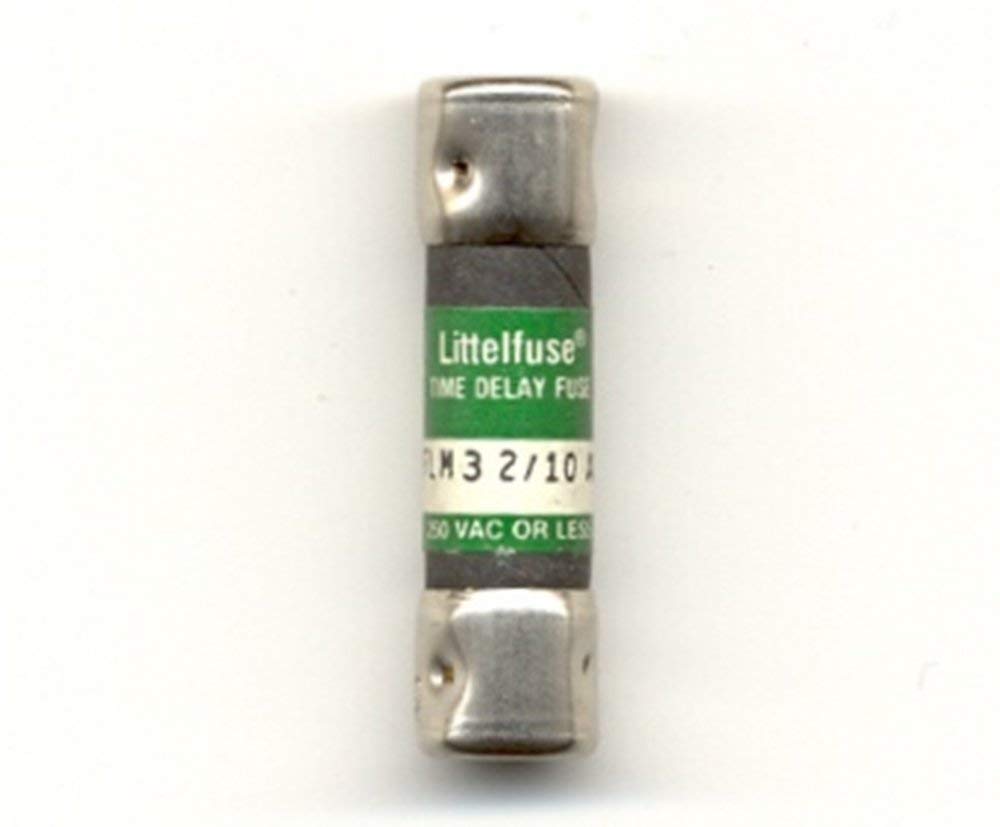
Figure 1: Image of the Littelfuse FLM3-2/10 FLM3.20 Cartridge Fuse. This image displays the cylindrical body of the fuse, typically with metal end caps and markings indicating its current and voltage oceny.
4. Instalacja i konfiguracja
Follow these steps for safe installation or replacement of the fuse:
- Odłącz zasilanie: Ensure that the main power supply to the circuit is completely turned off and locked out, if applicable. Verify with a voltagtester.
- Zidentyfikuj uchwyt bezpiecznika: Locate the fuse holder or circuit board where the fuse is to be installed or replaced.
- Remove Old Fuse (if applicable): Carefully remove the old or blown fuse from its holder. Note its orientation if it's a directional fuse (though cartridge fuses are typically non-directional).
- Sprawdź oceny: Confirm that the new Littelfuse FLM3-2/10 FLM3.20 fuse matches the required amperage (3-2/10 Amp) i objętośćtage (250V) ratings for the circuit.
- Włóż nowy bezpiecznik: Insert the new fuse into the fuse holder. For through-hole mounting, ensure the leads are correctly aligned with the holes on the circuit board or terminal block.
- Bezpieczne połączenie: Ensure the fuse is securely seated in its holder or properly soldered if it's a permanent through-hole mount.
- Przywróć zasilanie: Once the fuse is securely installed, restore power to the circuit.
5. Zasada działania
The Littelfuse FLM3-2/10 FLM3.20 fuse functions as a sacrificial device designed to protect electrical circuits. When an overcurrent condition occurs (current exceeding 3-2/10 Amps), the metallic element inside the fuse melts, creating an open circuit and interrupting the flow of electricity. This prevents damage to more expensive components or wiring downstream from the fuse. The fuse does not require any active "operation" by the user; its function is passive and automatic upon an overcurrent event.
6. Konserwacja
Fuses are generally maintenance-free components. Their primary function is to blow and protect the circuit. Regular maintenance involves:
- Przeglądy okresowe: Visually inspect fuses during routine equipment maintenance for any signs of damage or discoloration, though a blown fuse is often not visually obvious without removal.
- Wymiana: A blown fuse must always be replaced with a new fuse of the exact same type, ampera i tomtage rating (e.g., Littelfuse FLM3-2/10 FLM3.20). Never attempt to repair a blown fuse.
7. Rozwiązywanie Problemów
If a fuse blows, it indicates an overcurrent condition in the circuit it protects. Follow these troubleshooting steps:
- Zidentyfikuj przepalony bezpiecznik: Disconnect power and visually inspect the fuse. Some fuses have an indicator, or you can use a multimeter to check for continuity.
- Investigate Cause: Before replacing the fuse, identify and rectify the cause of the overcurrent. Common causes include:
- Short circuits in wiring or components.
- Overloaded circuits (too many devices drawing power).
- Faulty electrical appliances or equipment.
- Wymień bezpiecznik: Only after the cause has been identified and corrected, replace the blown fuse with a new Littelfuse FLM3-2/10 FLM3.20 fuse of the identical rating.
- Powtarzane dmuchanie: If the new fuse blows immediately or shortly after replacement, it indicates that the underlying problem has not been resolved. Disconnect power and seek professional assistance.
8. Specyfikacje
| Funkcja | Szczegół |
|---|---|
| Marka | Mały fuse |
| Numer modelu | FLM3-2/10 FLM3.20 |
| Obecna ocena | 3-2/10 Amps |
| Tomtage Ocena | 250 wolty |
| Tworzywo | Ceramika, Metal, Plastik |
| Typ montażu | Montaż przewlekany |
| UPC | 631908883756 |
| Numer części | FLM3-2/10 |
9. Gwarancja i wsparcie
Littelfuse products are manufactured to high-quality standards. For specific warranty information, please refer to the official Littelfuse webOdwiedź witrynę lub skontaktuj się bezpośrednio z działem obsługi klienta. Zachowaj paragon zakupu na wypadek reklamacji.
Aby uzyskać pomoc techniczną lub zadać pytania, odwiedź stronę Littelfuse official webstrona lub skontaktuj się z działem obsługi klienta.


