
1. Wprowadzenie
Thank you for choosing the YONHAN 12V/24V Intelligent Pulse Repair Battery Charger. This device is designed to charge and maintain various 12V and 24V lead-acid batteries, including AGM, GEL, SLA, Flooded, and LiFePO4 batteries. Please read this manual thoroughly before use to ensure safe and efficient operation.
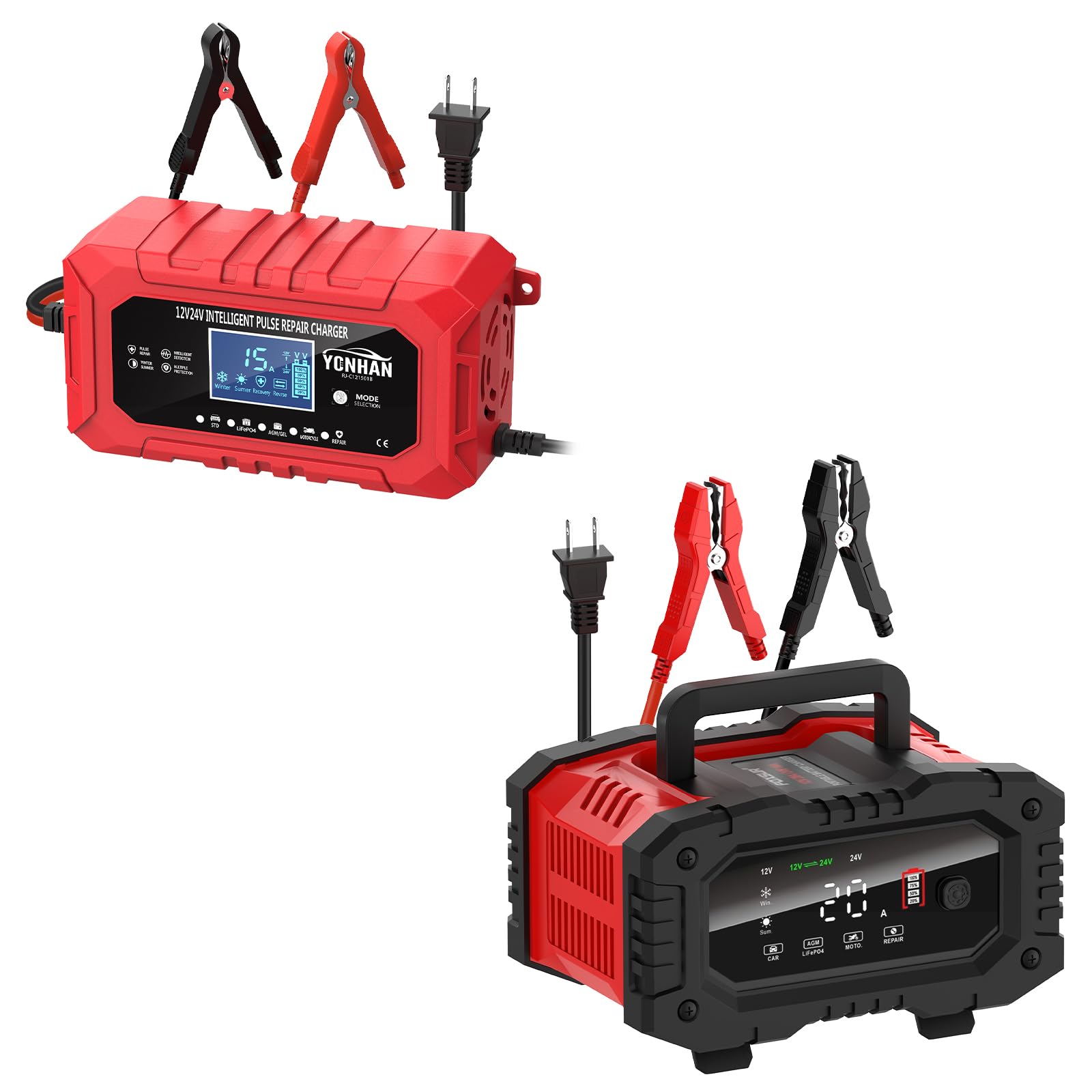
Image 1: YONHAN Intelligent Pulse Repair Battery Charger.
2. Informacje dotyczące bezpieczeństwa
Aby zapobiec obrażeniom ciała lub uszkodzeniu ładowarki albo akumulatora, należy zawsze przestrzegać następujących środków ostrożności:
- Przed użyciem ładowarki należy przeczytać wszystkie instrukcje.
- Nie ładuj baterii, których nie można ponownie naładować.
- Przed podłączeniem lub rozłączeniem ładowarki do akumulatora należy upewnić się, że jest ona odłączona od źródła zasilania.
- Używaj ładowarki w dobrze wentylowanym miejscu.
- Unikaj iskier i otwartego ognia w pobliżu akumulatora, ponieważ akumulatory mogą wydzielać wybuchowe gazy.
- Podczas pracy z akumulatorami należy nosić okulary ochronne i odzież ochronną.
- Przechowywać w miejscu niedostępnym dla dzieci.
- Do not charge LiFePO4 batteries without a Battery Management System (BMS).
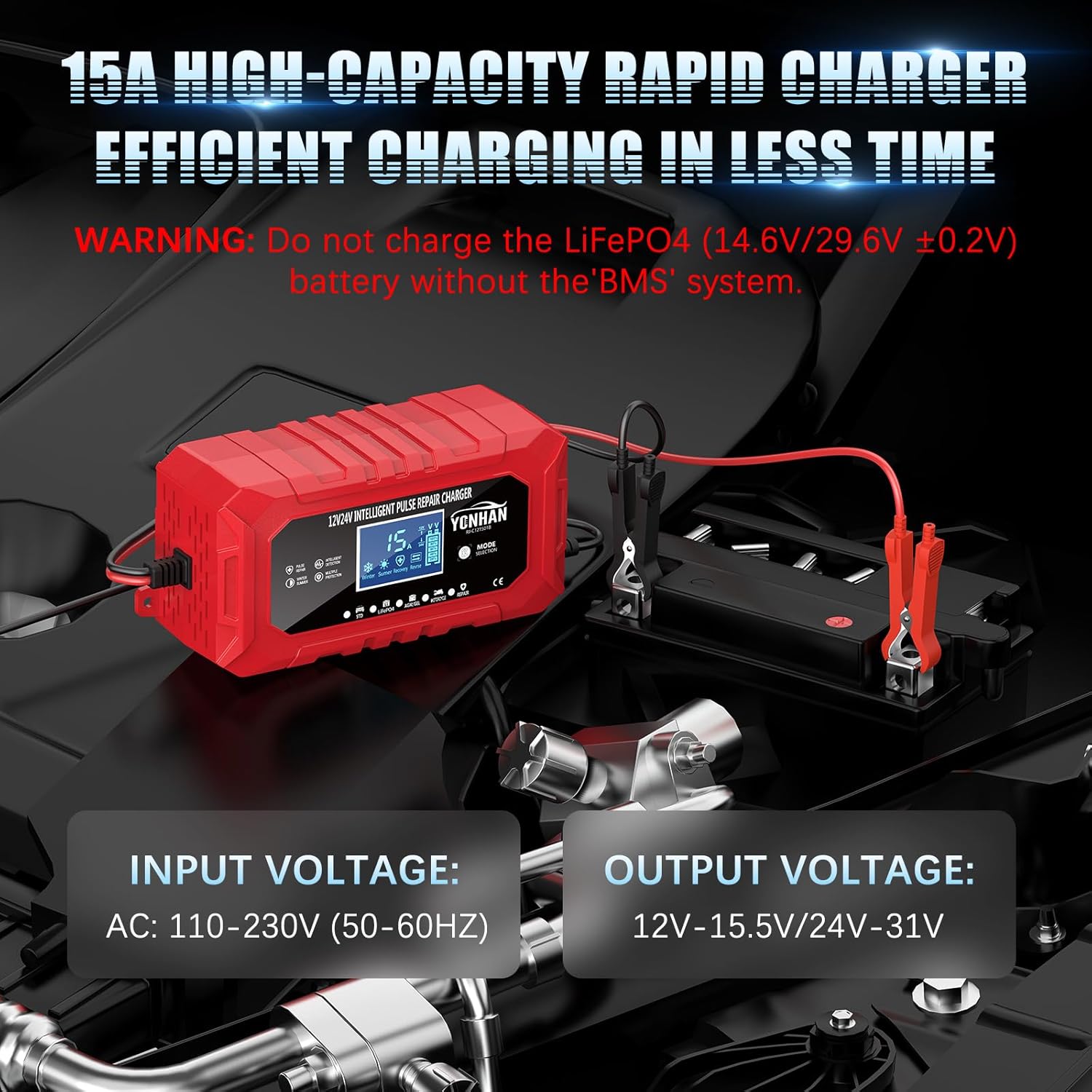
Image 2: Charger connected to a battery, highlighting input and output voltage.
3. Koniec produktuview
3.1 Składniki
The YONHAN Battery Charger consists of the main charging unit, positive (red) and negative (black) battery clamps, and an AC power cord.

Image 3: Main components of the YONHAN Battery Charger.
3.2 Wskaźniki wyświetlacza
The charger features an intelligent display that provides real-time information about the charging process and battery status. Refer to the image below for a visual guide:

Image 4: Visual display of battery information and charger status.
- Wyświetlacz temperatury: Pokazuje temperaturę otoczenia.
- Tomtagi wyświetlać: Wskazuje aktualną pojemność akumulatoratage.
- Aktualny wyświetlacz: Pokazuje prąd ładowania w Ampsą.
- Finish display: Wskazuje zakończenie ładowania.
- PUL (Pulse Repair) display: Pojawia się w trybie naprawy impulsu.
- OFF (Power Off) display: Indicates the system is powered off.
- Err (Reverse/Abnormal) display: Signals an error, such as reverse polarity connection.
- dFS (Desulfurization) display: Indicates the desulfurization process is active.
- Wskaźnik poziomu baterii: Pokazuje przybliżony poziom naładowania akumulatora.
4. Konfiguracja
- Przygotuj baterię: Upewnij się, że zaciski akumulatora są czyste i nie mają śladów korozji. W razie potrzeby wyczyść je szczotką drucianą.
- Podłącz Clamps:
- Połącz czerwony dodatni (+) clamp do dodatniego bieguna akumulatora.
- Połącz czarny negatyw (-) clamp do ujemnego bieguna akumulatora.
- Zapewnij bezpieczne połączenie.
- Podłącz do zasilania: Plug the charger's AC power cord into a standard electrical outlet (AC 110-230V, 50-60Hz). The charger will power on and display the current battery voltage.

Image 5: Charger properly connected to a battery.
5. Instrukcja obsługi
5.1 Wybór trybu
After connecting the charger, press the TRYB button to cycle through the available charging modes. Select the mode that matches your battery type and application:
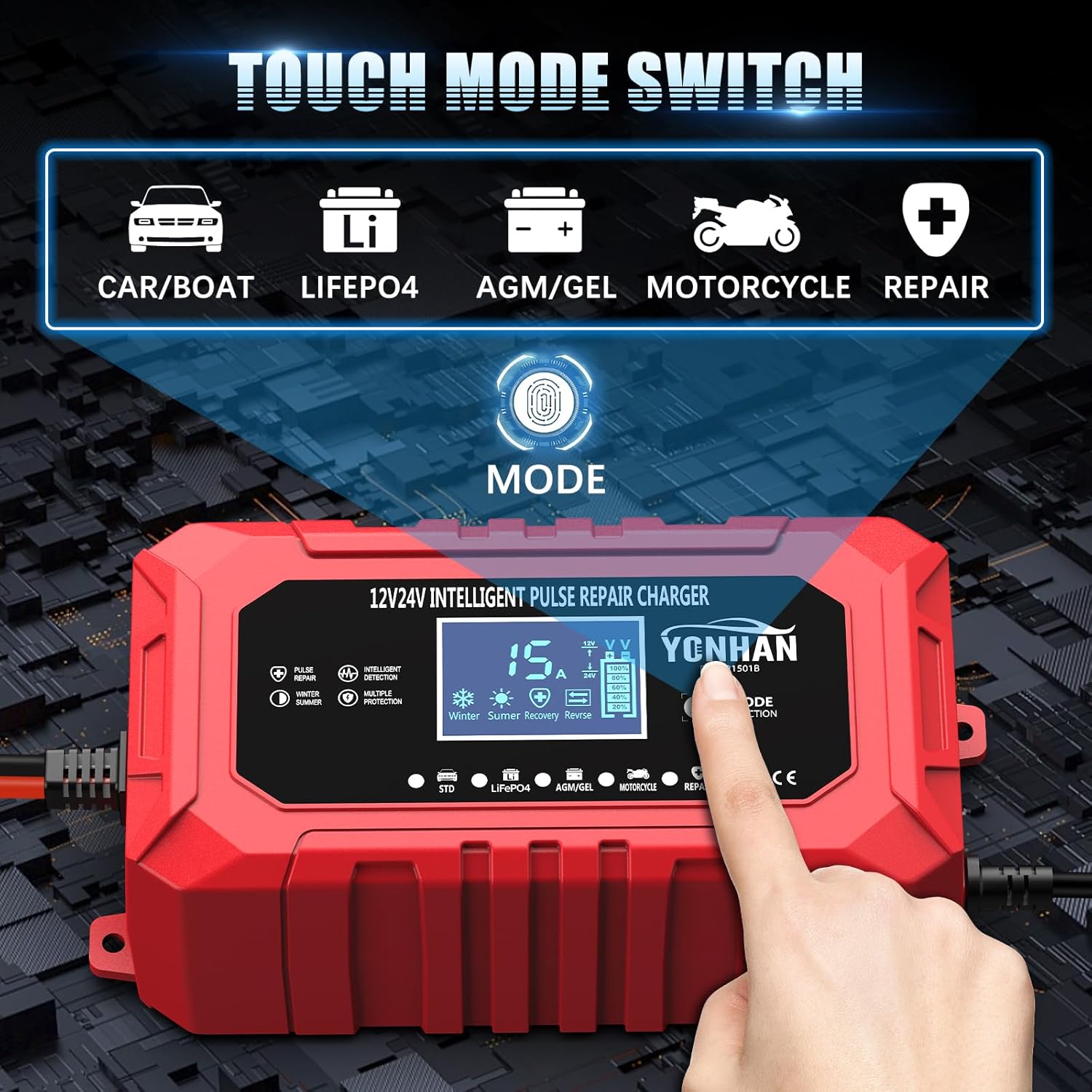
Image 6: Touch mode switch for selecting charging programs.
- SAMOCHÓD/ŁODŹ: For standard 12V/24V lead-acid batteries in cars, boats, SUVs, etc.
- LiFePO4: Specifically for 12V/24V Lithium Iron Phosphate batteries.
- Walne zgromadzenie/GEL: For 12V/24V AGM and GEL batteries.
- MOTOCYKL: For smaller 12V/24V lead-acid batteries typically found in motorcycles.
- NAPRAWA: For pulse repair of sulfated or deeply discharged batteries.
5.2 Proces ładowania
The charger utilizes an intelligent multi-stagProces ładowania optymalizuje żywotność i wydajność baterii.
- 9-Stage Ładowanie: For lead-acid batteries (STD, AGM/GEL, MOTORCYCLE modes). This adaptive architecture ensures precise charging.
- 5-Stage Ładowanie: Do akumulatorów LiFePO4.
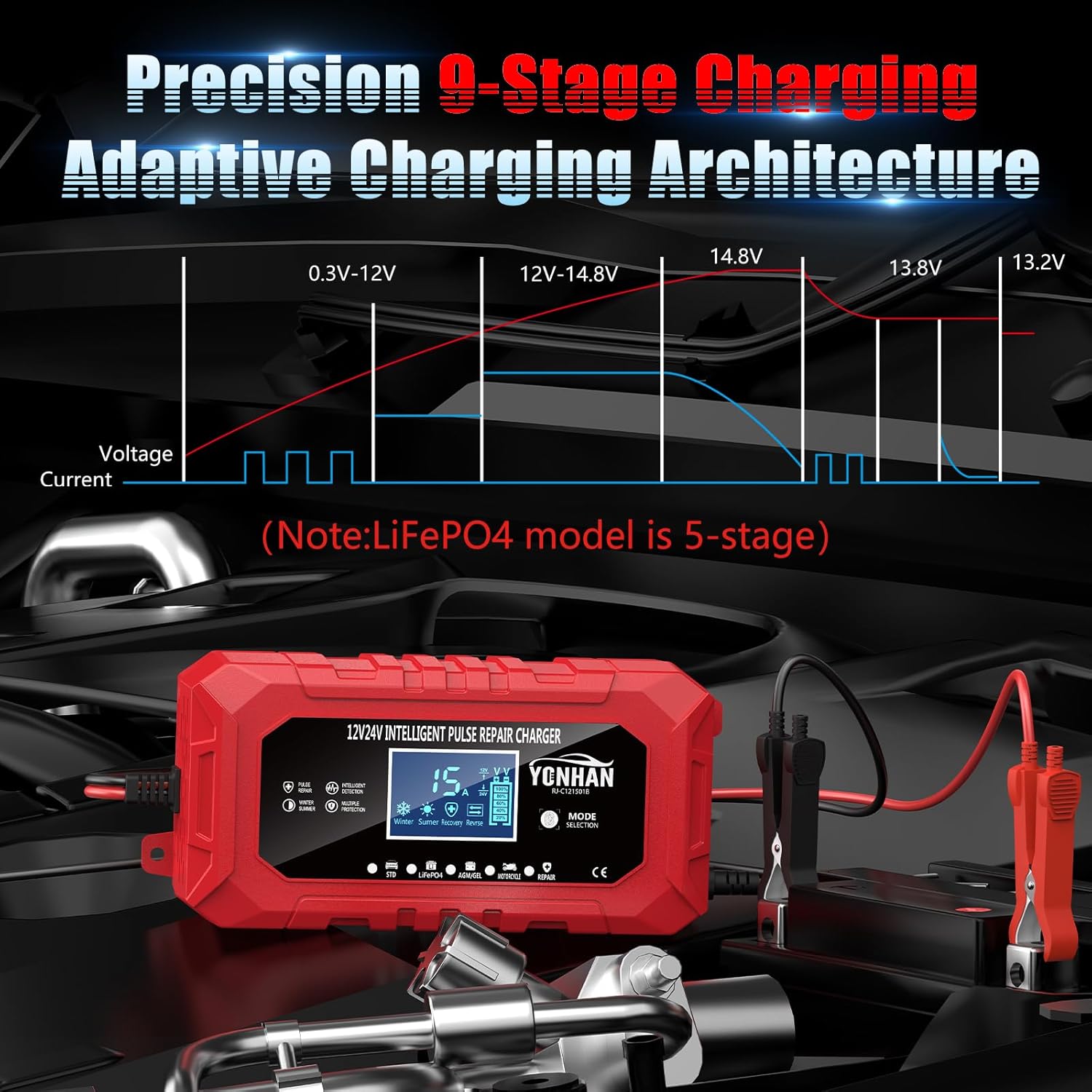
Image 7: Precision multi-stage charging architecture.
5.3 Tryb zimowy/letni
The charger automatically adjusts charging parameters based on ambient temperature to ensure optimal charging in different weather conditions.
- Tryb zimowy: Activates when temperature is between 0-10°C.
- Tryb letni: Activates when temperature is above 28°C.
- Normalna temperatura: For temperatures between 10-27°C.

Image 8: Weather-resilient charging system with environmental adaptability.
5.4 Funkcja naprawy impulsu
The pulse repair function (REPAIR mode) is designed to desulfate and restore deeply discharged or sulfated batteries, potentially extending their lifespan. Select this mode for batteries that are not holding a charge well or appear to be damaged. The 'PUL' and 'dFS' indicators will appear on the display during this process.
6. Konserwacja
- Utrzymuj ładowarkę w czystości i suchości. Przecieraj miękką, miękką szmatką.amp jeśli to konieczne, szmatkę.
- Regularnie sprawdzaj kable ładujące iamps for any damage. Do not use if cables are frayed or clampsą zepsute.
- Jeśli nie używasz ładowarki, przechowuj ją w chłodnym i suchym miejscu.
- Podczas pracy należy zapewnić odpowiednią wentylację, aby zapobiec przegrzaniu.
7. Rozwiązywanie Problemów
| Problem | Możliwa przyczyna | Rozwiązanie |
|---|---|---|
| Ładowarka nie włącza się. | Brak prądu w gniazdku; luźne połączenie. | Check power outlet; ensure AC cord is securely plugged in. |
| Wyświetla się komunikat „Err”. | Reverse polarity connection; faulty battery. | Odłącz i podłącz ponownie clamps ensuring correct polarity (+ to +, - to -). Test battery condition. |
| Ładowarka nie ładuje. | Incorrect mode selected; battery too deeply discharged or damaged. | Select the correct battery type mode. Try REPAIR mode for deeply discharged batteries. If still no charge, battery may be beyond repair. |
| Charger gets warm. | Normalna praca, słaba wentylacja. | Some warmth is normal. Ensure charger is in a well-ventilated area. If excessively hot, disconnect immediately. |
8. Specyfikacje
| Funkcja | Szczegół |
|---|---|
| Model | KJ-C121501B |
| Wejście Voltage | AC 110-230 V (50-60 Hz) |
| Objętość wyjściatage | 12 V-15.5 V / 24 V-31 V |
| Obecna ocena | 15 Amps |
| Kompatybilne typy baterii | 12V/24V Lead-Acid (AGM, GEL, SLA, Flooded), LiFePO4 |
| Ładowanie Stages | 9-sekundytage for Lead-Acid, 5-stage dla LiFePO4 |
| Temperatura pracy | Adaptive (Winter: 0-10°C, Summer: >28°C, Normal: 10-27°C) |
| Zgodność z przepisami bezpieczeństwa | UL (as per product specifications) |
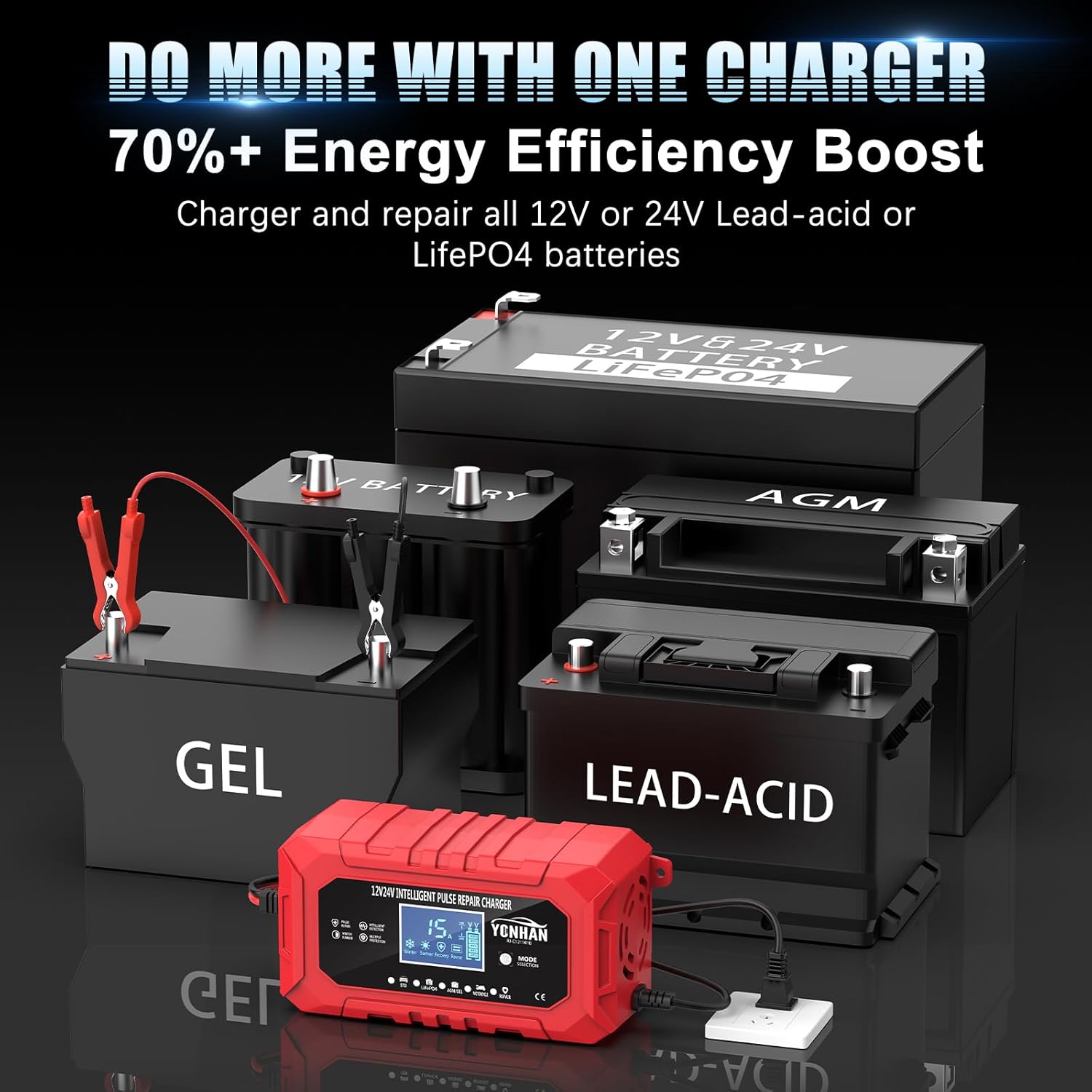
Image 9: Charger compatibility with multiple battery types.
9. Gwarancja i wsparcie
For warranty information or technical support, please contact YONHAN customer service through the retailer where the product was purchased or visit the official YONHAN website. Please have your model number (KJ-C121501B) and purchase details ready when contacting support.
You can find more information about YONHAN products and support at the YONHAN Store on Amazon.