
1. Wprowadzenie
The ABLEWE USB 3.0 KVM Switch allows two computers to share up to four USB 3.0 peripheral devices. This device eliminates the need to constantly swap cables between computers, enhancing work efficiency. It is ideal for sharing devices such as printers, scanners, mice, keyboards, webcams, and USB flash drives between two systems.
This USB 3.0 switch offers broad compatibility, operating driver-free with Windows 10/8/8.1/7/Vista/XP, Mac OS, Linux, and Chrome OS. Simply plug and play for immediate functionality.

Figure 1.1: ABLEWE USB 3.0 KVM Switch connection diagram.
2. Zawartość opakowania
Sprawdź zawartość paczki, aby upewnić się, że znajdują się w niej wszystkie elementy:
- 1 x ABLEWE USB 3.0 KVM Switch
- 2 x USB 3.0 A-to-A Cables
- 1 x Kabel zasilający Micro USB
- 1 x Instrukcja obsługi

Figure 2.1: Package contents of the ABLEWE USB 3.0 KVM Switch.
3. Cechy produktu i diagram
The ABLEWE USB 3.0 KVM Switch is designed for ease of use and efficient device sharing.
Główne cechy:
- 4-Port USB 3.0 Sharing: Podłącz maksymalnie cztery urządzenia USB 3.0.
- 2-Computer Connectivity: Seamlessly switch between two host computers.
- Przełącznik przyciskowy: Easy one-button toggle between connected computers.
- Wskaźnik LED: Clearly shows which computer is currently active (Green or Blue). The indicator light is designed to be non-dazzling.
- USB 3.0 Speed: Supports data transfer speeds up to 5Gbps, backward compatible with USB 2.0.
- Gniazdo zasilania Micro USB: Provides stable power for high-power consumption devices (e.g., HDDs, SSDs, digital video cameras).
- Bez kierowcy: W przypadku większości systemów operacyjnych instalacja oprogramowania nie jest wymagana.
Schemat produktu:

Rycina 3.1: Przód view of the ABLEWE USB 3.0 KVM Switch.

Figure 3.2: Key features of the ABLEWE USB 3.0 KVM Switch.
4. Instrukcje konfiguracji
Follow these steps to set up your ABLEWE USB 3.0 KVM Switch:
- Połącz komputery: Use the two provided USB 3.0 A-to-A cables to connect your two computers to the input ports labeled 'PC 1' and 'PC 2' on the KVM switch.
- Podłącz urządzenia USB: Plug your USB peripheral devices (e.g., keyboard, mouse, printer, USB drive) into the four USB 3.0 output ports on the KVM switch.
- Podłącz zasilanie (opcjonalne, ale zalecane): If you are using high-power USB devices such as external hard drives (HDDs), solid-state drives (SSDs), or digital video cameras, connect the included Micro USB power cable to the 'DC 5V' port on the switch and to a 5V 2A USB power adapter (not included). This ensures stable performance for all connected devices.
- Włączanie: Ensure both connected computers are powered on. The KVM switch is driver-free and should be recognized automatically by your operating system.
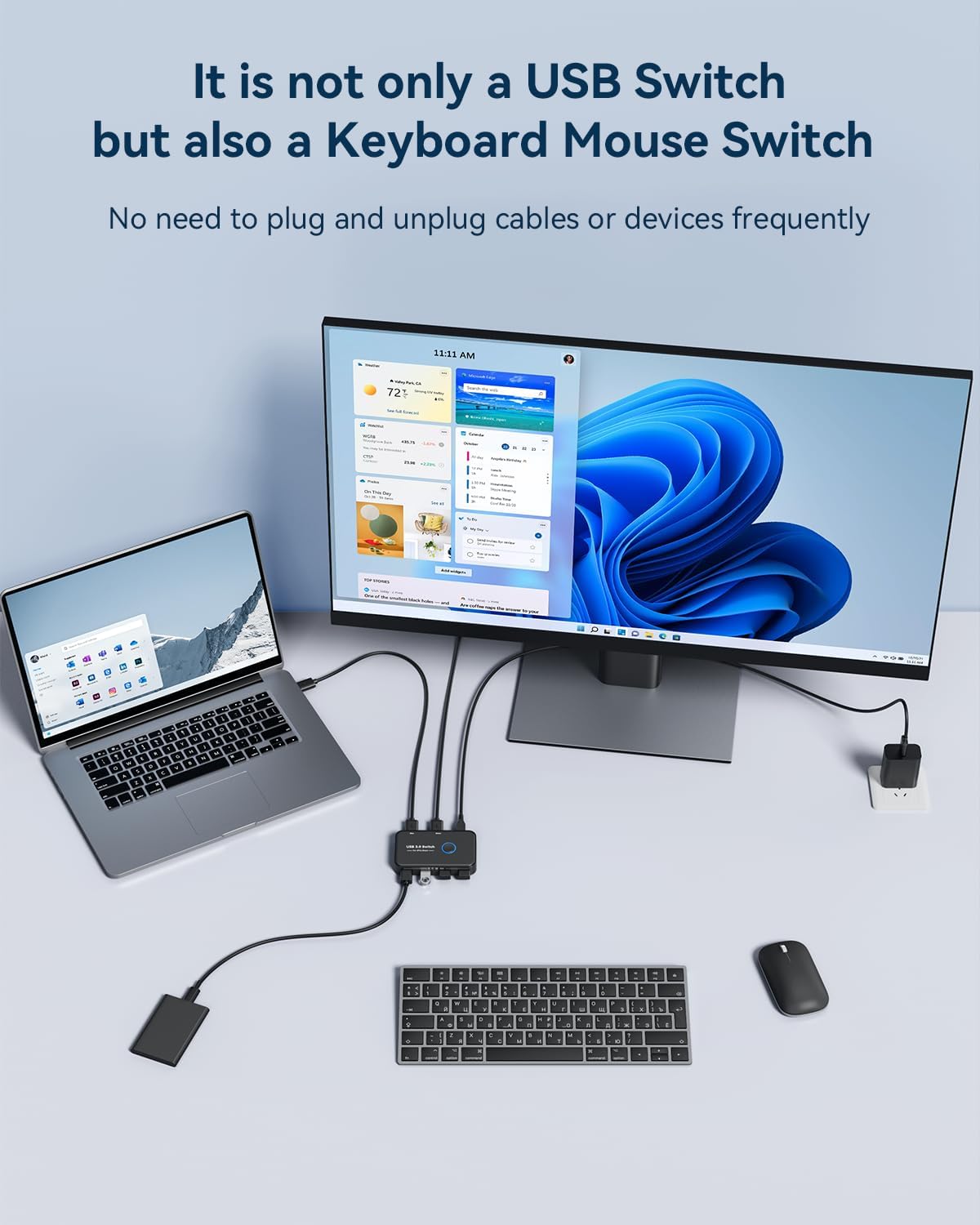
Rysunek 4.1: Example setup with a laptop and desktop sharing peripherals.

Figure 4.2: Connecting the Micro USB power cable for stable performance.
Connecting to a USB-C Laptop:
If your laptop only has USB-C ports, you will need an OTG USB-C to USB-A adapter to connect the provided USB-A to USB-A cable from the KVM switch to your laptop.

Figure 4.3: Connecting to a USB-C laptop.
5. Instrukcja obsługi
Operating the ABLEWE USB 3.0 KVM Switch is straightforward:
- Przełączanie komputerów: To switch control of the shared USB devices between your two computers, simply press the large circular button on the top of the KVM switch.
- Wskaźnik LED: The LED indicator light around the button will change color (Green or Blue) to show which computer is currently active and has control of the connected USB devices.

Figure 5.1: One-button switching operation.
6. Konserwacja
To ensure the longevity and optimal performance of your ABLEWE USB 3.0 KVM Switch, follow these maintenance guidelines:
- Keep the device in a clean, dry environment, away from dust and moisture.
- Avoid exposing the switch to extreme temperatures or direct sunlight.
- Do not attempt to open or modify the device, as this will void the warranty.
- Czyść zewnętrzną część miękką, suchą ściereczką. Nie używaj płynnych środków czyszczących ani rozpuszczalników.
- Ensure cables are not bent sharply or under excessive tension to prevent damage.
7. Rozwiązywanie Problemów
If you encounter issues with your ABLEWE USB 3.0 KVM Switch, please refer to the following troubleshooting tips:
- Devices Not Recognized or Unstable:
- Ensure the Micro USB power cable is connected to the switch and a 5V 2A power adapter, especially when using high-power devices like external hard drives or SSDs. Insufficient power can lead to device instability or non-recognition.
- Try connecting the problematic USB device directly to the computer to verify its functionality.
- Check all cable connections. Ensure they are securely plugged into both the switch and the computers/devices.
- Try using different USB cables if available, as faulty cables can cause connection issues.
- Switching Issues (e.g., device not switching properly, unrecognized USB device error):
- Press the switch button again to toggle to the other computer, wait a few seconds, and then switch back to the desired computer. This can often resolve temporary recognition issues.
- Ensure both computers are fully powered on and their operating systems are running correctly.
- If a specific device consistently fails to switch, try connecting it to a different USB port on the KVM switch.
- Niska prędkość przesyłu danych:
- Ensure you are using USB 3.0 compatible devices and cables. While the switch is backward compatible, USB 2.0 devices will operate at USB 2.0 speeds.
- Verify that the USB 3.0 ports on your computers are functioning correctly.
- No LED Indicator Light:
- Ensure the KVM switch is properly connected to at least one active computer via a USB 3.0 A-to-A cable. The switch draws power from the connected computers.
8. Specyfikacje
| Funkcja | Opis |
|---|---|
| Marka | ABLEWE |
| Model | B0C2PNDDFS |
| Waga przedmiotu | 5.9 uncji (0.17 kilograma) |
| Wymiary opakowania | 6.26 x 5.24 x 0.63 cala |
| Kolor | Czarny |
| Cechy specjalne | Button Switch, LED Indication |
| Kompatybilne urządzenia | Desktop, Keyboard, Mouse, Printer, Scanners |
| Typ złącza | USB |
| Prędkość przesyłu danych | Do 5 Gb/s (USB 3.0) |
| Moc wejściowa | Micro USB 5V 2A (for stable performance with high-power devices) |
| Systemy operacyjne | Windows 10/8/8.1/7/Vista/XP, Mac OS, Linux, Chrome OS |
9. Gwarancja i wsparcie
ABLEWE provides a 12-miesięczna gwarancja for this USB switch, covering manufacturing defects and ensuring product reliability.
Additionally, ABLEWE offers dożywotnie wsparcie techniczne to assist you with any questions or issues you may encounter during the use of your product.
For warranty claims or technical assistance, please contact ABLEWE support through the retailer's platform or visit the official ABLEWE webwitryna do informacji kontaktowych.