
1. Wprowadzenie
The Whadda WPM436 is an 8-channel relay interface board designed for controlling various high-current appliances and equipment. This board is compatible with most micro-controllers, allowing for flexible integration into prototyping and programming projects. Each of the eight relays can be independently controlled, providing versatile switching capabilities for a wide range of applications.
2. Konfiguracja i połączenia
Before connecting the WPM436 relay board, ensure all power sources are disconnected to prevent damage to the board or connected devices. This section outlines the general connection procedures.
2.1 Wejście na pokładview
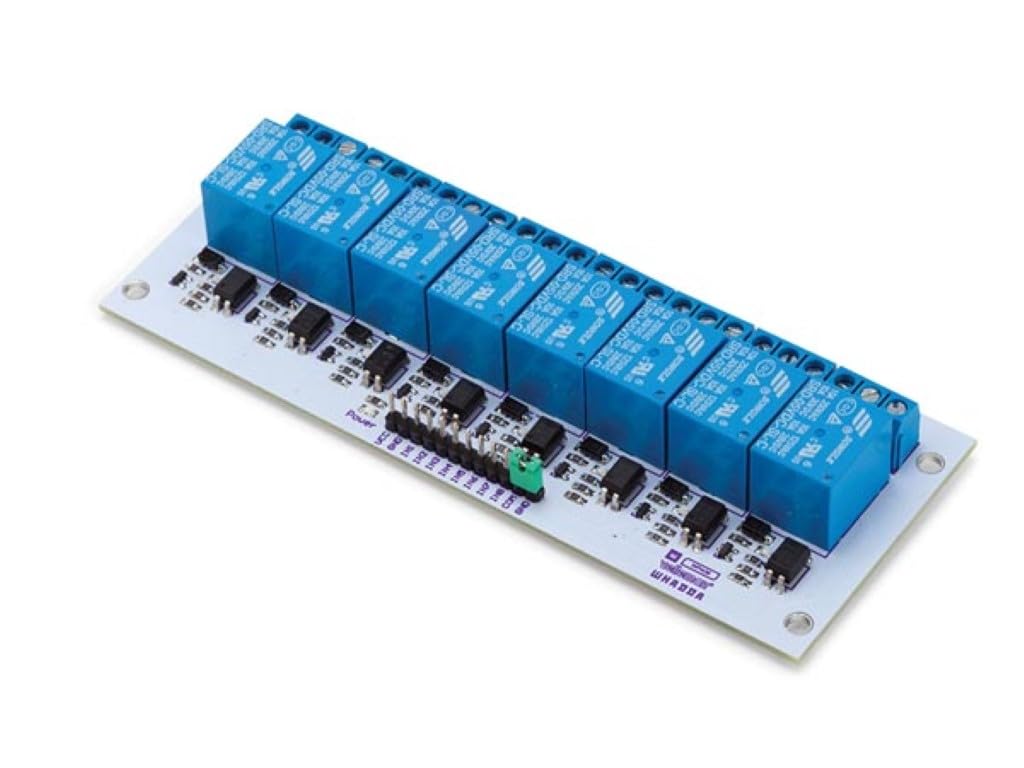
Rysunek 1: Góra view of the WPM436 8-channel relay board, illustrating the layout of relays, input pins, and output terminals.
2.2 Podłączenie zasilania
- Objętość operacyjnatage for the relay board is 5 V prądu stałego. Connect a stable 5V power supply to the VCC and GND pins on the input header.
- Ensure the power supply can provide sufficient current for the board and the relays.
2.3 Micro-controller Control Input
- The control input voltage for the relay board is 5 - 12 V prądu stałego. This allows compatibility with various micro-controllers (e.g., Arduino, Raspberry Pi).
- Connect the digital output pins of your micro-controller to the IN1 through IN8 pins on the WPM436 board. Each IN pin corresponds to a specific relay.
- The control input current for IN1 to IN4 is 5 - 25 mA. Refer to your micro-controller's documentation for its output current capabilities.
2.4 Połączenia obciążenia
- Each relay has three terminals: Normally Open (NO), Common (COM), and Normally Closed (NC).
- Connect the load (appliance or equipment) to the appropriate relay terminals based on your application's requirements. For example, to switch a device on when the relay is activated, connect it between COM and NO.
- Upewnij się, że prąd i objtage ratings of your load do not exceed the relay's maximum specifications.
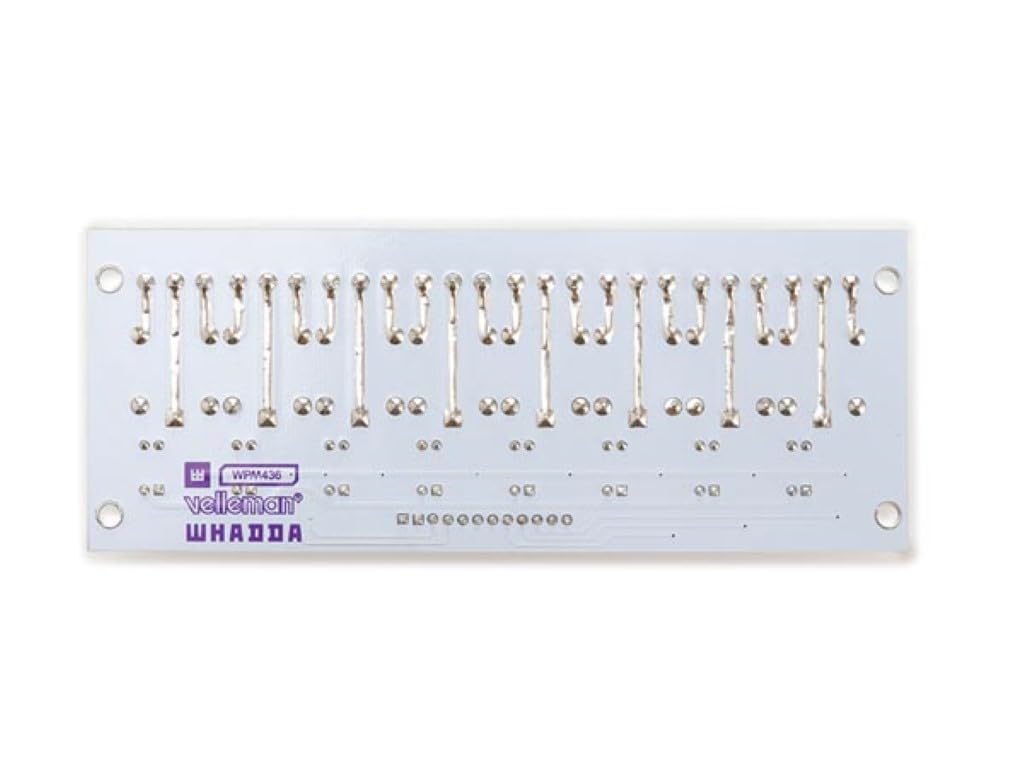
Rysunek 2: Szczegółowy view of the input header and power connections on the WPM436 board.
3. Instrukcja obsługi
The WPM436 relay board operates by receiving digital signals from a micro-controller to activate or deactivate individual relays.
3.1 Relay Activation
- When a digital HIGH signal (e.g., 5V) is applied to an IN pin (IN1-IN8), the corresponding relay will activate.
- Upon activation, the relay's internal switch will change state: the Common (COM) terminal will connect to the Normally Open (NO) terminal, and disconnect from the Normally Closed (NC) terminal.
3.2 Relay Deactivation
- When a digital LOW signal (e.g., 0V or GND) is applied to an IN pin, the corresponding relay will deactivate.
- Upon deactivation, the relay's internal switch will return to its default state: the Common (COM) terminal will connect to the Normally Closed (NC) terminal, and disconnect from the Normally Open (NO) terminal.
Programowanie examples for specific micro-controllers (e.g., Arduino sketches) can be found in the respective micro-controller's documentation or online community resources.
4. Konserwacja
The Whadda WPM436 relay board is designed for reliable operation with minimal maintenance. Follow these general guidelines to ensure its longevity:
- Utrzymywać w suchości: Protect the board from moisture and humidity, which can cause short circuits and corrosion.
- Czystość: Utrzymuj deskę w czystości, usuwając kurz i zanieczyszczenia. Do czyszczenia używaj miękkiej, suchej szczotki lub sprężonego powietrza. Unikaj stosowania płynów i silnych środków chemicznych.
- Ochrona statyczna: Handle the board with care, especially in environments prone to static electricity. Use anti-static precautions when necessary.
- Uszkodzenia fizyczne: Avoid dropping or subjecting the board to physical shocks, which can damage components or solder joints.
- Temperatura: Operate the board within its specified temperature range. Extreme temperatures can affect performance and lifespan.
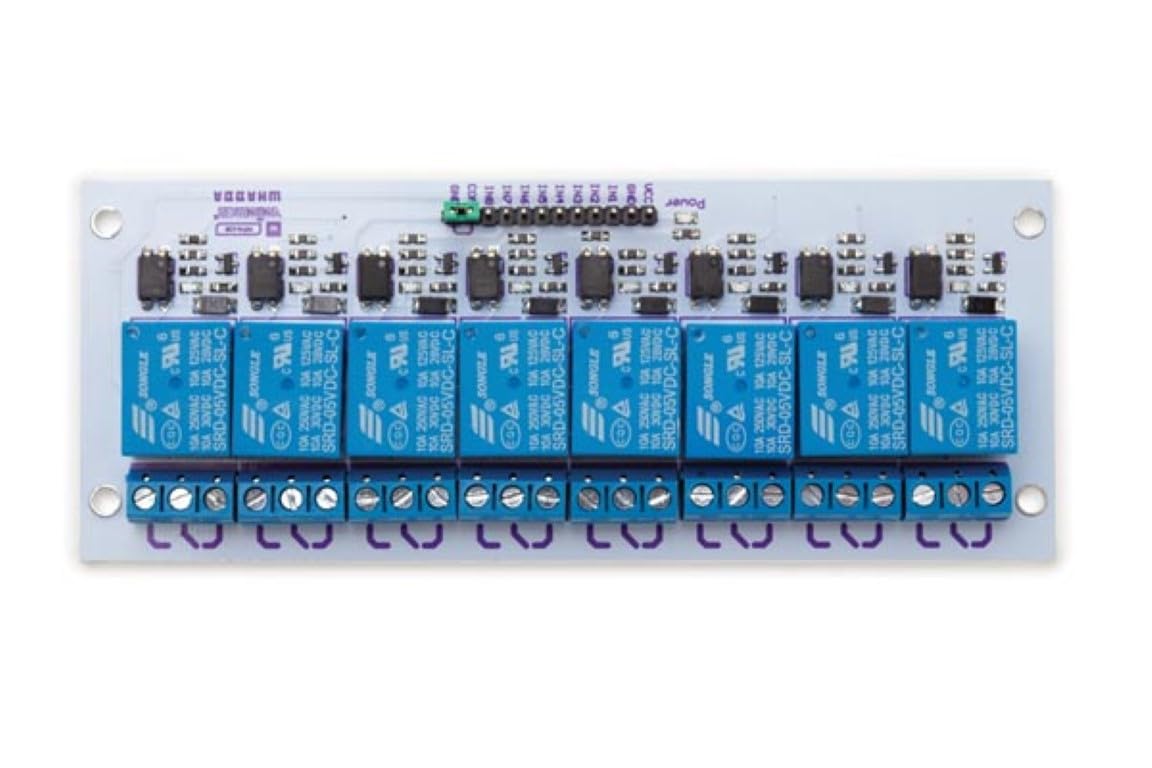
Rysunek 3: Dół view of the WPM436 board, showing the solder side and component traces.
5. Rozwiązywanie Problemów
If you encounter issues with your WPM436 relay board, consider the following troubleshooting steps:
- Brak zasilania:
- Verify that the 5VDC power supply is correctly connected to the VCC and GND pins.
- Check the power supply itself to ensure it is providing the correct voltage and sufficient current.
- Przekaźnik nie aktywuje się:
- Ensure the micro-controller's output pin connected to the IN pin is sending a HIGH signal. Use a multimeter to check the voltage at the IN pin.
- Confirm that the micro-controller's ground is connected to the relay board's ground.
- Check for any loose connections between the micro-controller and the relay board.
- Brak przełączania obciążenia:
- Verify that the relay is activating (you might hear a click or see an indicator LED if present).
- Check the wiring of the load to the NO/COM/NC terminals. Ensure connections are secure.
- Confirm that the load's voltage and current requirements do not exceed the relay's maximum ratings (250 VAC 10 A; 30 VDC 10 A).
- Przetestuj obciążenie niezależnie, aby upewnić się, że działa prawidłowo.
- Działanie przerywane:
- Check for poor solder joints or damaged traces on the board.
- Ensure the power supply is stable and not experiencing voltage spada pod obciążeniem.
If these steps do not resolve the issue, consult the manufacturer's support resources or a qualified electronics technician.
6. Specyfikacje
| Funkcja | Specyfikacja |
|---|---|
| Numer modelu | WPM436 |
| Liczba kanałów | 8 |
| Objętość operacyjnatage | 5 V prądu stałego |
| Objętość wejścia sterującegotage | 5 - 12 V prądu stałego |
| Control Input Current (IN1-IN4) | 5 - 25 mA |
| Relay Output (AC) | 250 VAC, 10 A (non-inductive) |
| Relay Output (DC) | 30 VDC, 10 A (non-inductive) |
| Wymiary | 57 x 138 mm (ok. 2.24 x 5.43 cala) |
| Waga przedmiotu | 6 uncji |
| Producent | Velleman |
| Tworzywo | Różny |
| Cotage | 125 miliwaty |
| Typ montażu | Montaż powierzchniowy |
| Zawarte komponenty | All components needed, any battery is excluded. |
| Wymagane baterie | NIE |
7. Gwarancja i wsparcie
For warranty information and technical support regarding your Whadda WPM436 8-Channel Relay Interface Board, please refer to the documentation provided by your retailer or contact the manufacturer, Velleman, directly. Specific warranty terms may vary based on your region and point of purchase.