
1. Wprowadzenie i koniecview
The TELE System YM101 Portable Pulse Oximeter is a non-invasive device designed for spot-checking arterial hemoglobin oxygen saturation (SpO2) and pulse rate (PR) in adults and pediatric patients at home or in clinical settings. It also indicates the Perfusion Index (PI). This device is simple to operate and provides quick, reliable measurements.
The YM101 is particularly useful for individuals with conditions such as asthma, chronic bronchitis, COPD, or pneumonia, or simply for monitoring blood oxygen levels in patients experiencing fever, cough, or shortness of breath. This pulse oximeter is a certified medical device.
2. Informacje dotyczące bezpieczeństwa
- Przed użyciem należy uważnie przeczytać wszystkie instrukcje.
- This device is intended for non-invasive spot-checking of SpO2 and pulse rate. It is not intended for continuous monitoring.
- Consult a medical professional for interpretation of results. Self-diagnosis and self-treatment based on measurements can be dangerous.
- Nie używaj urządzenia w środowisku MRI lub CT.
- Trzymaj urządzenie z dala od wody i wilgoci.
- Do not use the device on the same finger for more than 5 minutes to avoid discomfort or injury due to prolonged pressure.
- Przechowywać w miejscu niedostępnym dla dzieci.
3. Składniki produktu
The TELE System YM101 Pulse Oximeter consists of several key components:
- 1.5" LED Display: Shows SpO2, pulse rate, perfusion index, and bar graph.
- Przycisk: For power on/off and display mode changes.
- Transduktor: Integrated infrared sensor for measurement.
- MCU (Microcontroller Unit): Processes data.
- Pokrywa baterii: Chroni komorę baterii.

Rysunek 3.1: Eksplodowany view of the YM101 Pulse Oximeter components.
4. Konfiguracja
Przed pierwszym użyciem należy zainstalować baterie:
- Open the battery cover located at the back of the device.
- Insert two (2) AAAA batteries according to the polarity indicators (+/-) inside the compartment. Uwaga: Baterie nie są dołączone do urządzenia.
- Dokładnie zamknij pokrywę baterii.

Rysunek 4.1: Strona view of the YM101 Pulse Oximeter.
5. Instrukcja obsługi
Aby wykonać pomiar, wykonaj następujące czynności:
- Sprawdź, czy w urządzeniu są zainstalowane baterie.
- Otwórz klamp pulsoksymetru.
- Insert one of your fingers (preferably the index finger) into the rubber opening of the oximeter, ensuring the nail is facing upwards towards the display.
- Zwolnij clampUrządzenie włączy się automatycznie i rozpocznie pomiar.
- Keep your hand still during the measurement. The display will show your SpO2 percentage, pulse rate (BPM/PR), and Perfusion Index (PI). A bar graph will also indicate pulse intensity.
- To change the display orientation or brightness, briefly press the power button while the device is on. The 1.5" LED display offers 3 levels of brightness.
- The device can be set to alarm if SpO2 or bpmPR limits are exceeded. Refer to the full manual for alarm setting details.
- Remove your finger from the device. The oximeter will automatically power off after a few seconds of inactivity.

Figure 5.1: YM101 Pulse Oximeter in use, displaying readings.
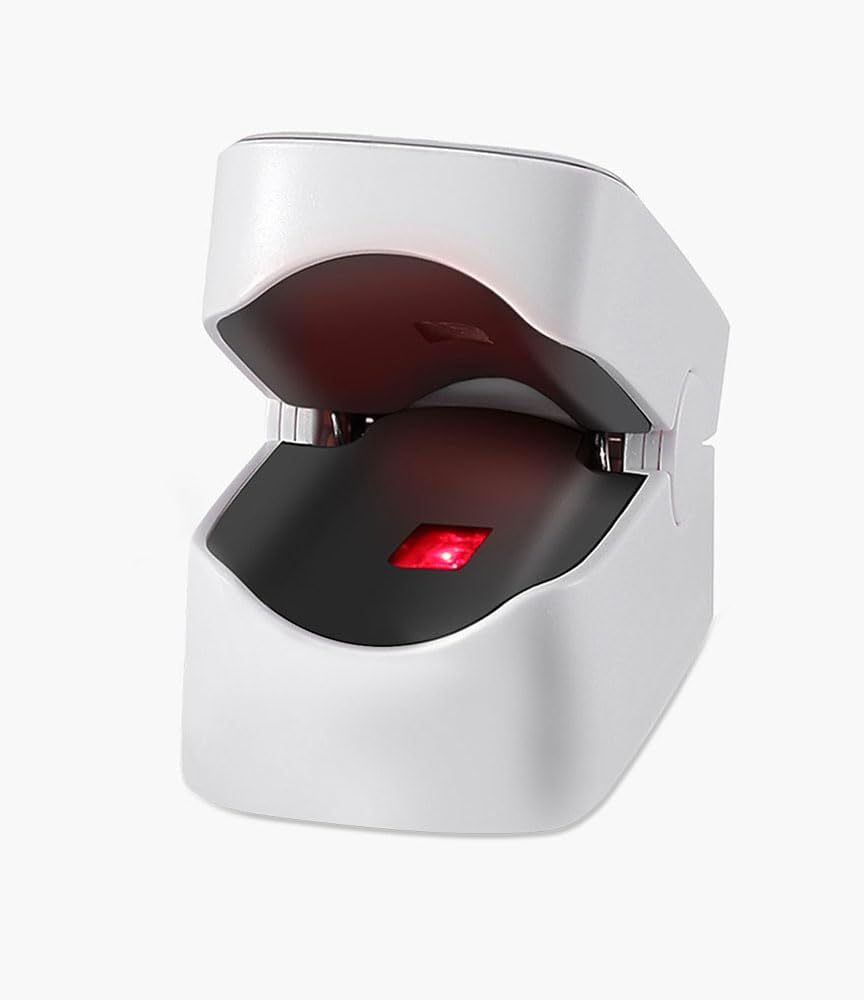
Rysunek 5.2: Wewnętrzne view of the YM101 Pulse Oximeter sensor.
6. Konserwacja
- Czyszczenie: Wytrzyj urządzenie miękką ściereczką dampened with alcohol (70% ethanol or isopropanol) before and after each use. Do not immerse the device in liquid.
- Składowanie: Przechowuj pulsoksymetr w chłodnym i suchym miejscu, z dala od bezpośredniego światła słonecznego i ekstremalnych temperatur.
- Wymiana baterii: Wymień baterie, gdy na wyświetlaczu pojawi się wskaźnik niskiego poziomu naładowania baterii. Wyjmij baterie, jeśli urządzenie nie będzie używane przez dłuższy czas.
- Sprzedaż: Dispose of the device and batteries according to local environmental regulations.
7. Rozwiązywanie Problemów
| Problem | Możliwa przyczyna | Rozwiązanie |
|---|---|---|
| Brak wyświetlacza po naciśnięciu przycisku zasilania | Baterie są rozładowane lub nieprawidłowo włożone. | Wymień baterie lub włóż je ponownie, zwracając uwagę na prawidłową biegunowość. |
| Niedokładne lub niestabilne odczyty | Finger not inserted properly; patient movement; cold finger; nail polish. | Reinsert finger correctly; remain still; warm the finger; remove nail polish. |
| Komunikat „Wyciągnij palec” | Palec nie został wykryty lub usunięty. | Insert finger fully into the device. |
8. Specyfikacje
- Marka: System TELE
- Model: YM101
- Wyświetlacz: 1.5" LED, 3 brightness levels
- Zakres pomiarowy: SpO2: 70-100%
- Dokładność: SpO2: ±1% / Pulse Rate: ±1 bpm
- Indications/Measurements: SpO2%, Heart Rate (BPM/PR), Perfusion Index (PI), Bar Graph
- Źródło zasilania: 2 x AAAA batteries (not included)
- Kolor: Biały
- Wymiary: Około 57 mm (długość) x 31 mm (szerokość)
- Odniesienie producenta: 96010001
- Kraj pochodzenia: Chiny

Figure 8.1: Dimensions of the YM101 Pulse Oximeter.
9. Gwarancja i wsparcie
For warranty information, technical support, or service inquiries regarding your TELE System YM101 Pulse Oximeter, please refer to the warranty card included in your product packaging or visit the official TELE System website. You may also contact TELE System customer service directly for assistance.
Producent: System TELE
Marka: System TELE
Kontakt: Please refer to the contact information provided in your product packaging or on the official TELE System webstrona.