
1. Koniec produktuview
The XTUGA MI7 is a 7-piece wired dynamic drum microphone kit designed for professional sound reinforcement and studio recording. This kit provides a tailored frequency response for various instruments, ensuring high-quality audio capture.
Główne cechy
- Tailored Frequency Response: Designed for kick drums and other bass instruments, providing superb attack and punch.
- Dźwięk jakości studyjnej: Delivers high-quality audio even at extremely high sound pressure levels.
- Charakterystyka kierunkowa superkardioidalna: Ensures high gain before feedback and excellent rejection of unwanted noise.
- Built-in Locking Stand Adapter: Features an integral XLR connector for simplified installation.
- Standard Thread Compatibility: Each instrument microphone includes standard 3/8" or 5/8" stand threads.
- Wszechstronne zastosowania: Suitable for close miking of tom-toms, percussion instruments, guitar amplifiers, brass instruments, woodwinds, and vocals.
- Standard XLR Connectors: Compatible with most audio instruments.
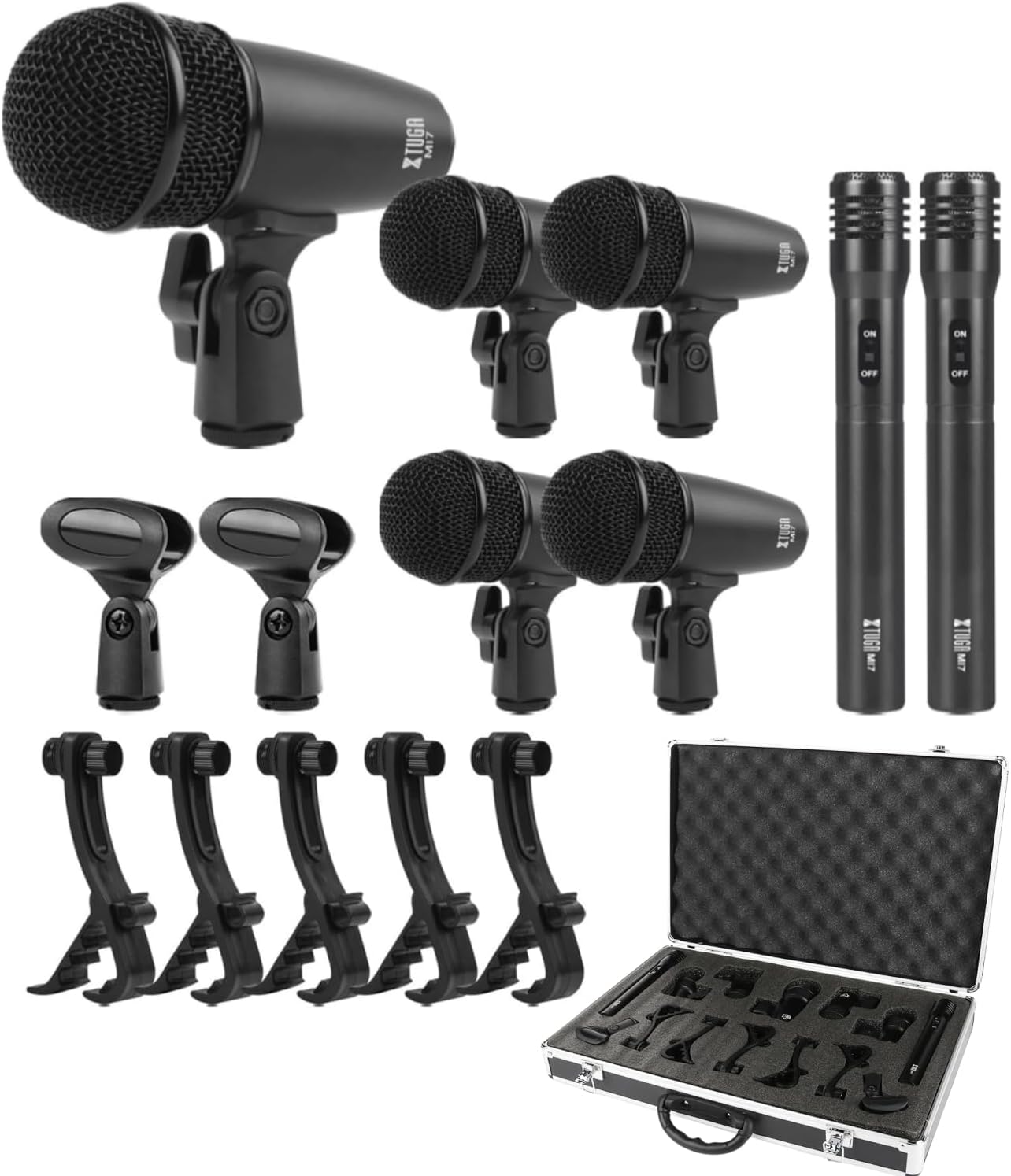
Figure 1: Complete XTUGA MI7 7-Piece Wired Dynamic Drum Microphone Kit with carrying case.
2. Zawartość opakowania
The XTUGA MI7 kit includes the following components:
- 1 x Big Drum Microphone
- 4 x Small Drum Microphones
- 2 x Condenser Microphones with Holders
- 4 x Thread Clips
- Wkładki gwintowe
- 4 x Klamps for Snare/Tom Mics
- 2 x Wind Screens for Condenser Mics
- 1 x Aluminum Carry Case
3. Microphone Types and Characteristics
3.1 Big Drum Microphone
This dynamic microphone is specifically designed for kick drums and other bass instruments, providing a powerful low-frequency response.
- Element: Ruchoma cewka dynamiczna
- Wzór biegunowy: Jednokierunkowy
- Pasmo przenoszenia: 50Hz-15kHz
- Wrażliwość: -60 dB +/- 3 dB (0 dB=1 V/Pa at 1 kHz)
- Impedancja wyjściowa: 500Ω +/-30% (at 1 kHz)
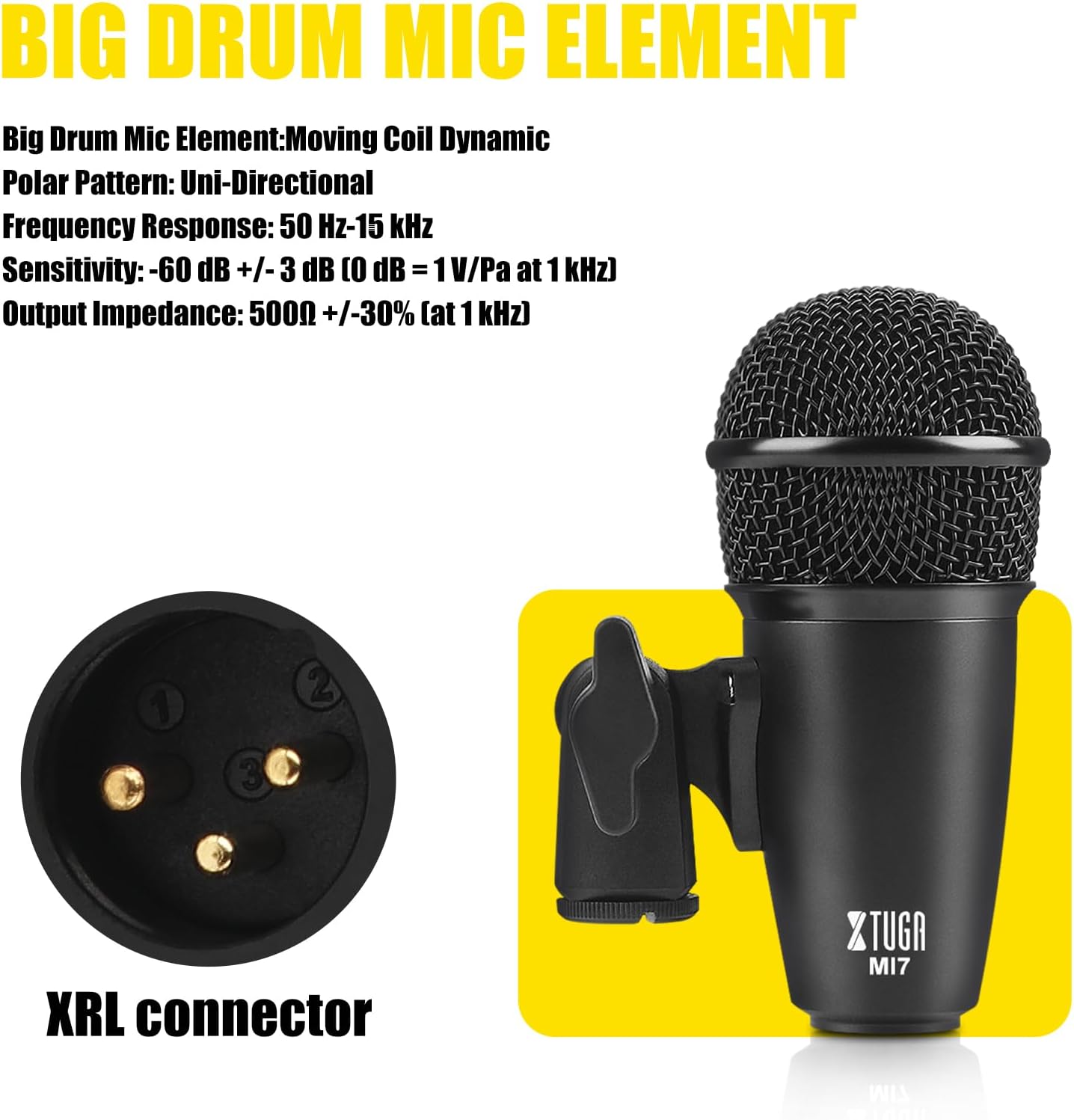
Figure 2: Big Drum Microphone with detailed specifications.
3.2 Small Drum Microphones (4 pieces)
These compact dynamic microphones are ideal for tom-toms, snare drums, and other percussion instruments, offering a clear and focused sound.
- Element: Ruchoma cewka dynamiczna
- Wzór biegunowy: Jednokierunkowy
- Pasmo przenoszenia: 50Hz-14kHz
- Wrażliwość: -52 dB +/- 3 dB (0 dB=1 V/Pa at 1 kHz)
- Impedancja wyjściowa: 500Ω +/-30% (at 1 kHz)

Figure 3: Small Drum Microphones with detailed specifications.
3.3 Condenser Microphones (2 pieces)
These electret condenser microphones are suitable for cymbals, pianos, and vocals, capturing detailed high-frequency sounds. They require 48V phantom power.
- Element: Elektretowy pojemnościowy
- Wzór biegunowy: Jednokierunkowy
- Pasmo przenoszenia: 50Hz-18kHz
- Wrażliwość: -45 dB +/- 3 dB (0 dB=1 V/Pa at 1 kHz)
- Impedancja wyjściowa: 200Ω
- Maksymalny poziom wejściowy SPL: 130 dB (przy 1 kHz < 1% THD)
- Stosunek sygnału do szumu: 70dB
- Zasilanie: Fantom 48 V

Figure 4: Condenser Microphones with detailed specifications.
4. Przewodnik konfiguracji
4.1 Attaching Microphones to Clips
Each dynamic microphone (big drum and small drums) comes with a built-in locking stand adapter. The condenser microphones use separate holders. The clamps for snare/tom mics are designed to securely attach the small drum microphones to the drum rims.
- For dynamic microphones, ensure the microphone is securely screwed into its respective clip or stand adapter.
- For condenser microphones, slide the microphone into its holder.
- Attach the drum clamps to the rims of your snare and tom drums.
- Adjust the angle and position of each microphone using the clip's adjustment mechanisms to achieve optimal sound capture.

Rysunek 5: Szczegółowy view of microphone construction and clip attachment.
4.2 Connecting to an Audio Mixer
The XTUGA MI7 kit uses standard XLR connectors for all microphones, allowing for versatile integration with most audio mixers.
- Connect the XLR cables from each microphone to the input channels of your audio mixer.
- For the two condenser microphones, ensure your mixer provides 48V phantom power. Activate the phantom power on the relevant channels or globally on your mixer.
- Adjust the gain and volume levels on your mixer for each microphone to achieve a balanced sound.
- Connect your mixer's main outputs to your speakers or recording interface.
Video 1: XTUGA MI7 Microphone Set Setup Guide. This video demonstrates the physical setup and connection of the MI7 microphones to a mixer.
Video 2: General Drum Mic Kit to Audio Mixer Connection. This video provides a general guide on connecting drum microphones to an audio mixer, including phantom power considerations.
5. Instrukcja obsługi
5.1 Umiejscowienie mikrofonu
Proper microphone placement is crucial for optimal sound quality. Experiment with different positions to find the best sound for your specific drum kit and environment.
- Big Drum Microphone: Place inside or just outside the kick drum's resonant head for a full, punchy sound.
- Small Drum Microphones: Attach to the rims of snare and tom drums. Position them a few inches above the drum head, pointing towards the center for attack, or towards the rim for more body.
- Mikrofony pojemnościowe: Use as overheads, positioned above the cymbals and drum kit to capture the overall sound, including cymbals and room ambiance.

Figure 6: Recommended microphone placement on a drum kit.
5.2 Adjusting Microphone Angle
The microphone clips and holders allow for flexible adjustment of the microphone angle. Loosen the adjustment knob, position the microphone as desired, and then tighten the knob to secure it.

Figure 7: Adjusting microphone angle for optimal sound capture.
6. Konserwacja i pielęgnacja
To ensure the longevity and optimal performance of your XTUGA MI7 microphone kit, follow these maintenance guidelines:
- Czyszczenie: Use a soft, dry cloth to wipe down microphones and accessories after each use. Avoid using harsh chemicals or abrasive materials.
- Składowanie: Store the microphones and accessories in the provided aluminum carry case when not in use. This protects them from dust, moisture, and physical damage.
- Obsługiwanie: Handle microphones with care. Avoid dropping them or exposing them to excessive force, which can damage internal components.
- Zarządzanie kablami: Coil XLR cables neatly after use to prevent tangling and damage.
7. Rozwiązywanie Problemów
If you encounter issues with your XTUGA MI7 microphone kit, refer to the following common troubleshooting steps:
- Brak dźwięku:
- Sprawdź wszystkie połączenia kablowe, aby upewnić się, że są dobrze zamocowane.
- Verify that the mixer's input gain and channel faders are raised.
- For condenser microphones, confirm that 48V phantom power is activated on the mixer.
- Test microphones with different cables or mixer channels to isolate the problem.
- Zniekształcony dźwięk:
- Reduce the input gain on the mixer channel to prevent clipping.
- Ensure microphones are not placed too close to the sound source, especially for loud instruments.
- Check for damaged cables or faulty mixer channels.
- Informacja zwrotna:
- Reposition microphones to avoid pointing directly at speakers.
- Lower the gain on the affected microphone channels.
- Use the mixer's EQ to cut problematic frequencies.
8. Specyfikacje
| Funkcja | Wartość |
|---|---|
| Marka | XTUGA |
| Nazwa modelu | NEW MI7 |
| Numer modelu przedmiotu | MI7 |
| Technologia łączności | XLR |
| Typ złącza | XLR |
| Współczynnik kształtu mikrofonu | Mały |
| Wzór biegunowy | Jednokierunkowy |
| Czułość audio | 58 decybeli |
| Stosunek sygnału do szumu | 70dB |
| Tworzywo | Metal |
| Kolor | Czarny |
| Waga przedmiotu | 2.6 kilogramów (5.72 funty) |
| Wymiary produktu (dł. x szer. x wys.) | 4.72 x 19.69 x 14.17 cala |
| Źródło zasilania | Corded Electric (for mixer) |
| Liczba baterii | 1 Lithium Ion batteries required (for some condenser mics if mixer lacks phantom power) |
| Platforma sprzętowa | PC |
| Liczba kanałów | 1 (per microphone) |
| Zalecane zastosowania produktu | Karaoke, Drum Recording, Instrument Miking |
| Data pierwszej dostępności | 29 kwietnia 2019 r. |
9. Gwarancja i wsparcie
XTUGA products are manufactured to high-quality standards. For warranty information, technical support, or any inquiries regarding your MI7 7-Piece Wired Dynamic Drum Microphone Kit, please contact XTUGA customer support through their official channels or the retailer where the product was purchased.
Proszę zachować dowód zakupu na wypadek ewentualnych roszczeń gwarancyjnych.