
Hosa USB-203AB
Hosa USB-203AB High-Speed USB Cable
Instrukcja obsługi
Wstęp
The Hosa USB-203AB is a high-quality USB 2.0 cable designed for reliable data transfer between compatible devices. This 3-foot cable features a USB Type-A connector on one end and a USB Type-B connector on the other, making it suitable for a wide range of applications including connecting USB audio interfaces, MIDI keyboards, and various computer peripherals.
This manual provides essential information regarding the setup, operation, maintenance, and troubleshooting of your Hosa USB-203AB cable.
Produkt ponadview
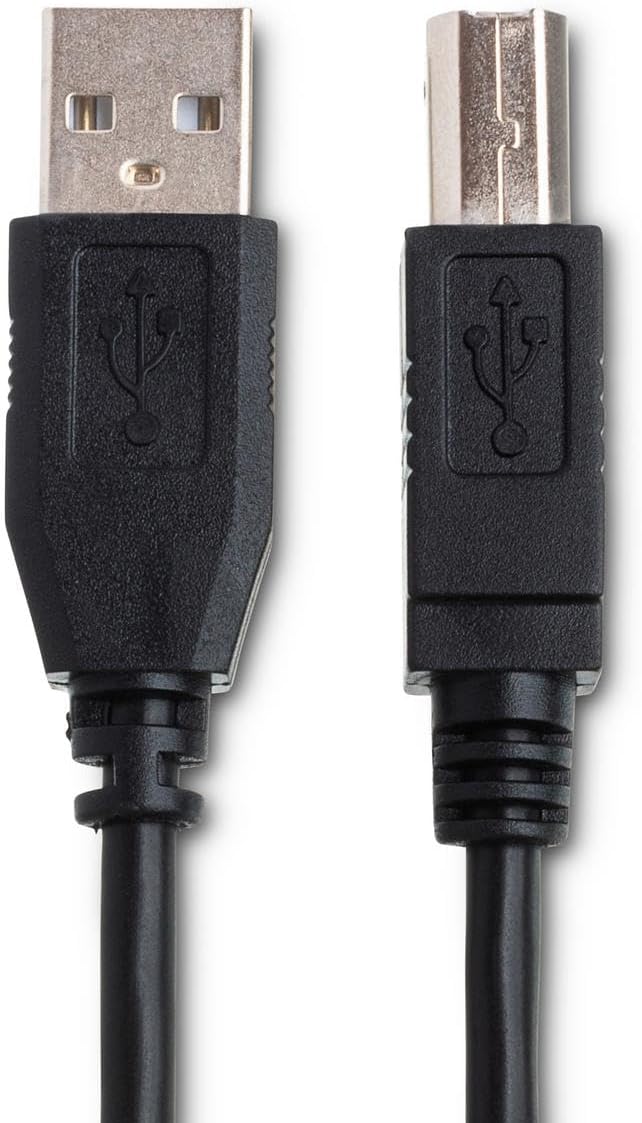
Figure 1: The Hosa USB-203AB cable, illustrating both the USB Type-A connector (left) and the USB Type-B connector (right).
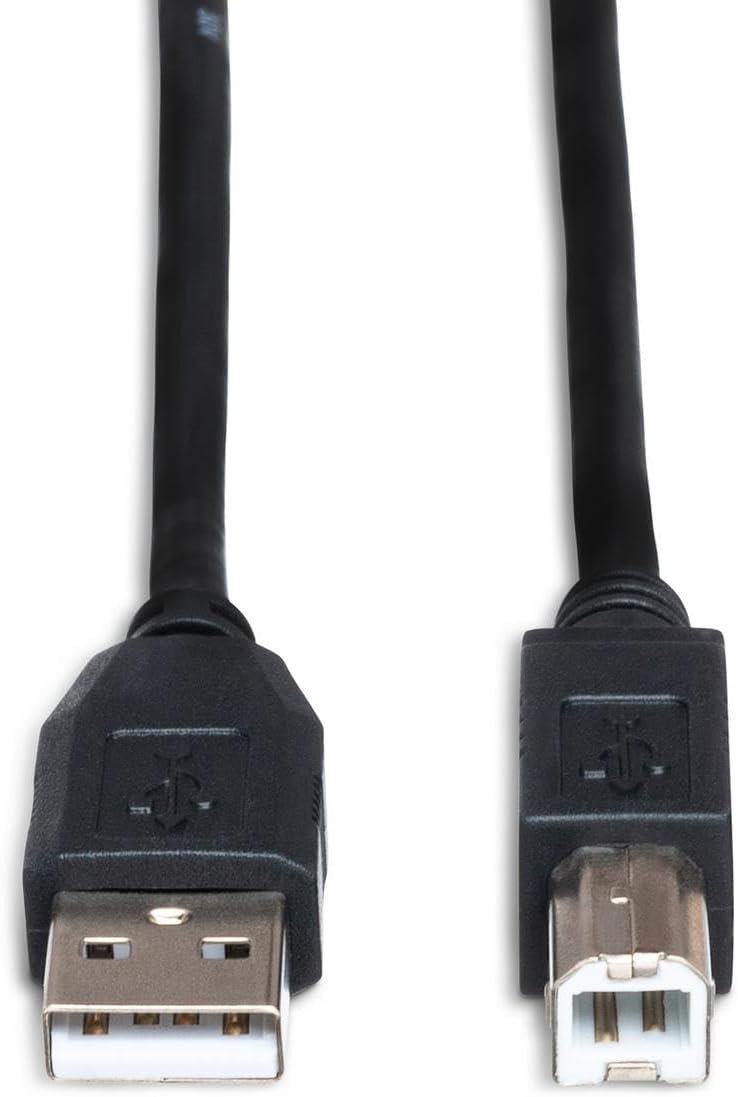
Figure 2: A top-down perspective of the USB Type-A and USB Type-B connectors, highlighting their distinct shapes.

Figure 3: The Hosa USB-203AB cable coiled, demonstrating its flexibility and typical storage form.

Figure 4: The Hosa USB-203AB cable extended, providing a visual representation of its 3-foot length.
Organizować coś
Setting up the Hosa USB-203AB cable is a straightforward process. Ensure that both the host device (e.g., computer) and the peripheral device (e.g., audio interface, printer) are powered off before making connections, if recommended by the device manufacturers.
- Zidentyfikuj złącza: Locate the USB Type-A port on your host device (typically a rectangular port) and the USB Type-B port on your peripheral device (typically a square port with two angled corners).
- Connect USB Type-A: Insert the USB Type-A end of the Hosa cable into the corresponding USB Type-A port on your computer or host device. Ensure it is fully seated.
- Connect USB Type-B: Insert the USB Type-B end of the Hosa cable into the corresponding USB Type-B port on your peripheral device. Ensure it is fully seated.
- Włącz urządzenia: Once both ends of the cable are securely connected, power on your host device and then your peripheral device. The devices should recognize each other automatically.
- Instalacja sterownika (jeśli to konieczne): Some peripheral devices may require specific drivers to be installed on your host computer. Refer to the peripheral device's instruction manual for driver installation procedures.
Operacyjny
The Hosa USB-203AB cable facilitates high-speed data transfer between connected devices. Its operation is passive, meaning it functions by simply connecting two compatible USB 2.0 devices.
- Transfer danych: Once connected, the cable enables the flow of digital data. For example, an audio interface can send audio signals to a computer, or a printer can receive print commands.
- Dostawa energii: In some cases, the USB connection may also provide power to the peripheral device, depending on the device's power requirements and the host device's USB port capabilities.
- Zgodność: This cable is fully compatible with USB 2.0 specifications, offering data transfer rates up to 480 Mbps. It is backward compatible with USB 1.1 devices, though data transfer will occur at the slower USB 1.1 speed.
Always ensure that the devices you are connecting are compatible with USB 2.0 standards for optimal performance.
Konserwacja
Proper care and maintenance will extend the lifespan of your Hosa USB-203AB cable.
- Składowanie: Gdy kabel nie jest używany, należy go luźno zwijać. Unikaj ciasnego zwijania i ostrych zagięć, ponieważ może to spowodować uszkodzenie przewodów wewnętrznych.
- Czyszczenie: Use a soft, dry cloth to wipe the cable and connectors. Do not use liquid cleaners or abrasive materials.
- Obsługiwanie: Always grasp the connector housing when plugging or unplugging the cable. Do not pull on the cable itself, as this can strain the connection points and lead to damage.
- Środowisko: Store and use the cable in a dry environment, away from extreme temperatures, direct sunlight, and moisture.
Rozwiązywanie problemów
If you encounter issues with your Hosa USB-203AB cable, consider the following troubleshooting steps:
| Problem | Możliwa przyczyna | Rozwiązanie |
|---|---|---|
| Urządzenie nie zostało rozpoznane. | Loose connection, incorrect port, driver issue, faulty port. |
|
| Powolny transfer danych. | Connecting USB 2.0 to a USB 1.1 port, high network traffic, background processes. |
|
| Przerywane połączenie. | Damaged cable, loose connection, power fluctuations. |
|
If problems persist after attempting these solutions, consult the support resources for your host or peripheral device.
Specyfikacje
- Model: USB-203AB
- Typ kabla: USB 2.0 A to B
- Długość: 3 stóp (0.91 metrów)
- Złącza: USB Type-A Male, USB Type-B Male
- Prędkość przesyłu danych: Up to 480 Mbps (USB 2.0 High Speed)
- Wsteczna kompatybilność: USB 1.1
- Kolor: Czarny
- Tworzywo: Przewodniki miedziane
- Waga: Około 1.92 uncji (54.4 gramów)
- Wymiary: 1 x 1 x 1 inches (packaging/coil dimensions, cable itself is flexible)
- Producent: Hosa
- Kod UPC: 728736031975
Gwarancja i wsparcie
For information regarding warranty coverage and technical support for your Hosa USB-203AB cable, please refer to the official Hosa website or contact Hosa customer service directly. Specific warranty terms may vary by region and retailer.
Hosa Webstrona: www.hosatech.com