
Standard Motor Products KS101
Standard Motor Products KS101 Knock Sensor User Manual
Model: KS101
1. Wprowadzenie
The Standard Motor Products KS101 Knock Sensor is a critical component in an engine's management system. It is designed to detect abnormal vibrations or "knocking" (also known as pre-ignition or detonation) within the engine. Upon detection, the sensor sends a signal to the engine control unit (ECU), which then adjusts ignition timing or fuel delivery to prevent engine damage and optimize performance. This manual provides essential information for the proper installation, operation, and maintenance of your KS101 Knock Sensor.
2. Koniec produktuview
The KS101 Knock Sensor is a compact, robust device engineered for durability and precise signal transmission.
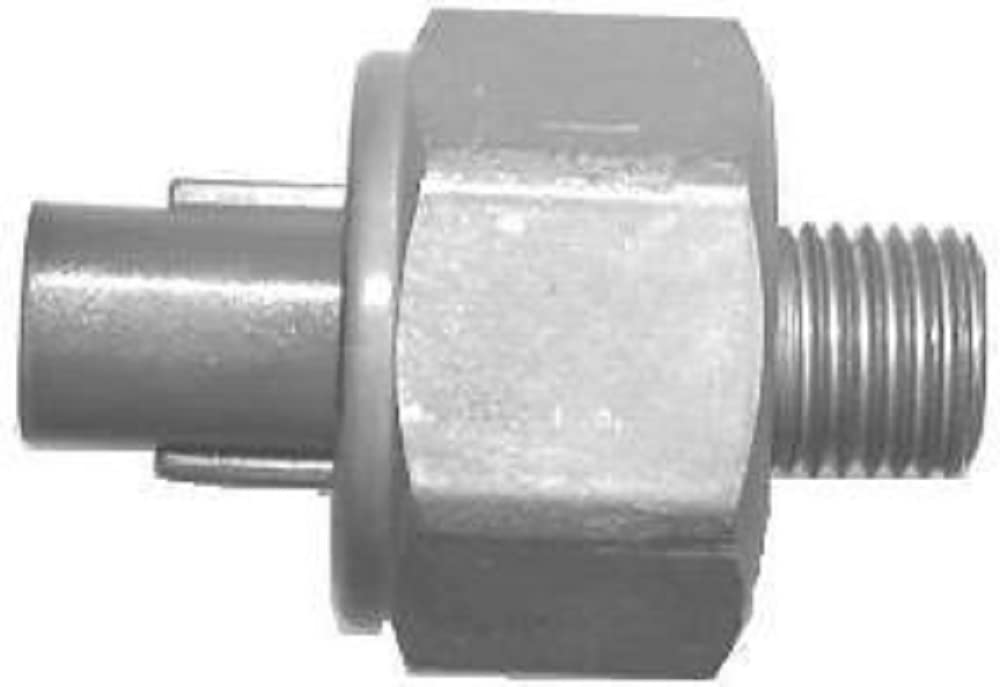
Figure 2.1: The Standard Motor Products KS101 Knock Sensor. This image displays the sensor's main body, which is hexagonal for wrenching, with a threaded end for mounting and an electrical connector on the opposite side.
2.1. Co znajduje się w pudełku
- 1 x Standard Motor Products KS101 Knock Sensor
3. Konfiguracja i instalacja
Installation of the KS101 Knock Sensor typically involves replacing an existing sensor. It is recommended that installation be performed by a qualified automotive technician to ensure proper torque and electrical connection.
3.1. Kontrole przed instalacją
- Przed rozpoczęciem pracy należy upewnić się, że silnik jest zimny.
- Odłącz akumulator pojazdu, aby zapobiec zwarciom elektrycznym.
- Locate the existing knock sensor on your vehicle's engine block or intake manifold, as specified by your vehicle's service manual.
- Inspect the wiring harness and connector for any signs of damage or corrosion.
3.2. Kroki instalacji
- Carefully disconnect the electrical connector from the old knock sensor.
- Using an appropriately sized wrench, carefully unthread and remove the old sensor. Note any washers or seals that may be present.
- Upewnij się, że powierzchnia montażowa jest czysta i wolna od zanieczyszczeń.
- Thread the new KS101 Knock Sensor into its mounting location. Nie dokręcaj zbyt mocno. Refer to your vehicle's service manual for the correct torque specification. Incorrect torque can affect sensor performance.
- Reconnect the electrical connector to the new sensor, ensuring a secure and snug fit.
- Podłącz ponownie akumulator pojazdu.
4. Działanie
Once installed, the KS101 Knock Sensor operates continuously while the engine is running. It functions by detecting specific frequencies of vibration that indicate engine knock. These vibrations are converted into an electrical signal, which is then sent to the ECU. The ECU interprets this signal and makes real-time adjustments to engine parameters, such as ignition timing, to prevent damage and maintain optimal engine efficiency.
The sensor is a passive component; it does not require user interaction during normal operation. Its primary role is to provide critical feedback to the engine's computer system.
5. Konserwacja
The Standard Motor Products KS101 Knock Sensor is designed to be maintenance-free. However, periodic inspection of its surrounding components can help ensure its longevity and proper function.
- Wiązka przewodów: Periodically check the sensor's wiring harness for any signs of fraying, cuts, or heat damage.
- Złącze: Ensure the electrical connector remains clean, dry, and securely attached to the sensor. Corrosion or loose connections can impair sensor performance.
- Montowanie: Verify that the sensor remains securely mounted and that its mounting bolt has not loosened over time.
If the sensor or its wiring appears damaged, replacement is recommended.
6. Rozwiązywanie Problemów
Issues related to a knock sensor often manifest as a "Check Engine Light" (CEL) on the dashboard, accompanied by specific diagnostic trouble codes (DTCs).
6.1. Common Symptoms of a Faulty Knock Sensor
- Illuminated Check Engine Light (CEL) with related DTCs (e.g., P0325 for Knock Sensor Circuit Malfunction).
- Reduced engine performance or power.
- Zmniejszone zużycie paliwa.
- Engine knocking or pinging sounds, especially under acceleration.
6.2. Kroki diagnostyczne
- Skanowanie w poszukiwaniu kodów DTC: Use an OBD-II scanner to retrieve any stored diagnostic trouble codes. This will help confirm if the issue is related to the knock sensor.
- Sprawdź okablowanie i złącze: Visually inspect the sensor's wiring harness and electrical connector for any signs of damage, corrosion, or loose connections. Repair or replace as necessary.
- Sprawdź montaż: Ensure the sensor is securely mounted and torqued to specification. A loose sensor can generate false readings.
- Diagnoza profesjonalna: If symptoms persist after basic checks, it is highly recommended to consult a professional automotive technician. They can perform advanced diagnostics, including signal waveform analysis, to accurately determine if the sensor is faulty or if the issue lies elsewhere in the engine management system.
Note: A faulty knock sensor can sometimes be misdiagnosed if other engine issues are present. Always ensure proper diagnosis before replacing components.
7. Specyfikacje
| Atrybut | Wartość |
|---|---|
| Marka | Standardowe produkty silnikowe |
| Numer modelu | KS101 |
| Pozycja Wymiary (dł. x szer. x wys.) | 1.5 x 1.16 x 2.88 cala |
| Waga przedmiotu | 0.01 uncji |
| Producent | Standardowe produkty silnikowe |
| UPC | 091769399221 |
| Styl | Nowoczesny |
| Zewnętrzny | Obrobiony maszynowo |
8. Gwarancja i wsparcie
For specific warranty information regarding your Standard Motor Products KS101 Knock Sensor, please refer to the documentation provided with your purchase or visit the official Standard Motor Products website. For technical support or further assistance, please contact Standard Motor Products customer service directly.
Standard Motor Products is committed to providing high-quality automotive components and support.